

In global commerce, the exchange of goods between countries is rarely a simple transaction. For any business involved in importing, one term reigns supreme in determining final costs and market competitiveness: the tariff.
While often discussed in political debates, understanding the mechanics of how does a tariff work is essential for managing your supply chain effectively. A tariff is more than just a tax; it’s a policy tool with far-reaching consequences that ripple through economies, affecting producers, consumers, and your final landed cost.
This guide provides a clear breakdown of this core concept. We will cover the basic tariff definition, examine the practical process, explain how tariffs are set, and clarify where does tariff money go.
Create Your No-Cost Account Today and experience the New Era of Logistics
The simplest tariff definition is: a tax imposed by a government on goods imported from another country. Think of it as an entry fee for foreign products crossing the border.
The primary purposes of a tariff fall into two categories:
The tariff meaning is closely linked with customs duties. Tariffs are legally paid by the importer—the company or individual bringing the goods into the country—to that nation’s customs authority. The cost, however, is frequently passed down the supply chain to the consumer in the form of higher retail prices.
To understand how does a tariff work in a real-world scenario, you must follow the journey of your product and its associated tax obligation.
Before a tariff can be applied, the imported goods must be accurately identified using the international Harmonized System (HS) code. This multi-digit code classifies the product and is the single most important factor in determining the specific tariff rate. An incorrect code can lead to significant fines and delays. For more on this, read our guide: HS Codes Explained: What is a HS Code?
The customs authority of the importing country (e.g., U.S. Customs and Border Protection – CBP) applies the pre-determined tariff rate to the declared customs value of the goods. This value is typically the CIF value (Cost of the goods + Insurance + Freight). For example, if your goods are valued at $50,000 and the tariff rate is 5%, the tariff owed is $2,500.
The importer, or their customs broker, must pay this tariff to the customs authority before the goods can be legally released into the country. Failure to pay on time will result in your shipment being held at the port, incurring storage fees and disrupting your supply chain.
A country establishes its tariff rates through a combination of international agreements and domestic laws.
A common question is, where does tariff money go? The answer is straightforward: the revenue generated from tariffs goes directly into the central government’s treasury of the importing country.
For example, in the United States, duties collected by CBP are considered federal revenue and are deposited into the U.S. Treasury’s general fund. This money is then used to fund public services like infrastructure, defense, and social programs. It is a direct transfer of funds from the private sector (importers and, ultimately, consumers) to the public sector.
Create Your No-Cost Account Today and experience the New Era of Logistics
Understanding how does a tariff work is fundamental to your international trade strategy. Tariffs are government-imposed import taxes that directly impact your costs and competitiveness.
Your key takeaways for managing your supply chain are:
The information contained in this blog article is accurate as of the publishing date and is liable to change. Contact MyDello’s expert team to get the most up to date information about customs duties.
In the world of global logistics, thousands of products cross international borders every hour. How can a customs official in Germany instantly and accurately identify, tax, and regulate a product shipped from Vietnam? The answer lies in a single, critical number: the Harmonized System (HS) code.
For any business shipping goods internationally, understanding what a HS code is isn’t just helpful—it’s a legal and financial necessity. Getting this code wrong is one of the fastest ways to incur costly fines, trigger significant shipping delays, and damage your supply chain’s integrity.
This guide will serve as your essential manual. We will explain the structure of the harmonized system code, clarify the crucial difference between an HS code vs HTS code, and show you the correct process for an HS code lookup.
Create Your No-Cost Account Today and experience the New Era of Logistics
The Harmonized System (HS) code is the universal economic language for international trade. Developed and maintained by the World Customs Organization (WCO), it is a standardized numerical method for classifying traded products. Think of it as the universal passport for your product.
Used by over 200 countries, the HS system ensures that over 98% of merchandise in international trade can be uniformly identified, regardless of language or local terminology. This single code tells customs authorities everything they need to know to:
The Six-Digit Structure
At its core, the international HS code is a six-digit number. This code is structured logically, with the first two digits representing the broadest category (the Chapter) and each subsequent pair of digits providing a more detailed classification.
Let’s break down an example: HS Code 0901.21 for roasted, non-decaffeinated coffee.
This six-digit code is the global standard. Understanding what is hs code in shipping means recognizing that this number is the foundation for all customs declarations worldwide.
While the six-digit HS code is the universal foundation, most countries add extra digits to create a more detailed national code for their own tariff and statistical needs. This is where the crucial distinction between an HS code vs HTS code comes into play.
The most common example is the Harmonized Tariff Schedule (HTS) code used for goods imported into the United States.
Let’s look at the HTS code meaning:
So, while a product’s six-digit HS code is the same everywhere, an importer shipping to the United States must declare the full 10-digit HTS code to ensure compliance. The same principle applies elsewhere: the EU uses a 10-digit TARIC code, and many other nations use 8 or 10-digit variations. For more on tariffs, see our guide on What is a Tariff?.
The Golden Rule: Always start with the correct 6-digit HS code, then append the additional digits required by the destination country.
Accurate HS classification is a legal requirement, not a suggestion. Misclassifying a product can lead to severe consequences, including shipment holds, fines, and paying the wrong duties (which may lead to audits and back-payments).
To perform an accurate HS code lookup, you need to think like a customs agent. Ask yourself specific questions about your product:
For a deeper understanding of how the HS code fits into your shipping paperwork, read our Guide to All Things Customs.
Create Your No-Cost Account Today and experience the New Era of Logistics
The Harmonized System code is the undisputed backbone of international trade. It is the key that unlocks a product’s journey across borders.
To succeed in global shipping, your key takeaways are:
The information contained in this blog article is accurate as of the publishing date and is liable to change. Contact MyDello’s expert team to get the most up to date information about customs duties.
Your international shipment has arrived in the country, but it’s stuck. You receive a notification demanding payment for “customs duties,” and suddenly your supply chain is on hold. This scenario is a common and costly frustration for businesses of all sizes.
Understanding how to pay customs duties is more than a formality; it’s a critical part of managing your budget and ensuring your goods are delivered on time. This process, from calculation to final payment, can seem complex, but it doesn’t have to be.
This guide will demystify the entire process. We will explain why duties exist, show you how to calculate them, and walk you through the exact payment procedures in key markets like Germany and the USA.
Create Your No-Cost Account Today and experience the New Era of Logistics
Before we get into the “how,” let’s briefly cover the “why.” Custom duties are a type of tax or tariff imposed by a national government on goods as they cross international borders. Their existence serves two primary purposes:
The responsibility for paying these duties is determined by the Incoterms® used in the sales contract. For a complete breakdown of these rules, read our Guide to Incoterms 2020.
You cannot pay your duties until you know the exact amount owed. Calculating your custom duties accurately is the most important step in budgeting for your shipment’s total “landed cost”—the full price of getting your product from the factory to your door.
The calculation is based on several key factors:
While a professional customs broker (like the expert team at Mydello) can handle this for you, you can get a good estimate using online tools. A good custom duty calculator can be invaluable for planning.
Let’s say you are importing electronics from the USA to Germany.
Once the duty amount is calculated, the next step is the actual payment. This process is usually managed by the entity handling your customs clearance: either your shipping carrier (like DHL/UPS) or your customs broker/freight forwarder. Payment is almost always required before the goods are released for final delivery.
When importing commercial goods into Germany from a non-EU country, the process typically looks like this:
For commercial shipments entering the United States, the process is managed by U.S. Customs and Border Protection (CBP).
Create Your No-Cost Account Today and experience the New Era of Logistics
Understanding how to pay customs duties is essential for any successful importer. By planning for these costs and using accurate documentation, you can turn a potentially complex process into a simple, seamless part of your supply chain.
The information contained in this blog article is accurate as of the publishing date and is liable to change. Contact MyDello’s expert team to get the most up to date information about customs duties.
In the world of global trade, every shipment must cross a border at some point, and that border crossing requires one critical process: customs clearance. Whether you’re a small e-commerce business expanding into a new market or a large enterprise managing complex supply chains, successfully navigating this process is the make-or-break moment for your delivery schedule and final costs.
Customs is often viewed as a confusing, unpredictable hurdle—a necessary evil that slows down cargo and introduces unexpected fees. However, with the right preparation and knowledge, it can become a predictable and efficient part of your logistics strategy.
This comprehensive guide will demystify the entire process. We will explain what customs are, detail typical clearance timeframes, break down how custom duties are calculated with real-world examples, and show you how a modern logistics partner turns this complexity into a competitive advantage.
Create Your No-Cost Account Today and experience the New Era of Logistics
Customs clearance is the formal process of obtaining official permission to move goods across an international border. This involves submitting specific documentation to the relevant government authorities, who then assess and collect any applicable import duties (fees) and taxes before the shipment can be legally released and delivered.
In the context of global trade, customs refers to the governmental agency or authority responsible for regulating and collecting these duties on goods. The primary role of these agencies is three-fold:
Without successful customs clearance, a shipment cannot legally pass the border and be delivered to its final recipient. It is the gatekeeper of all international commerce.
The question, “How long does customs clearance take?” is one of the most common in logistics, unfortunately the answer is highly variable. The timeframe depends on several key factors:
A delay occurs when the customs authority issues a “Hold,” which can last from a few days to several weeks. Common triggers include:
Pro-Tip: The best way to minimize customs clearance time is to be proactive. Ensure all your shipping documents are 100% accurate and submitted well in advance of arrival. This is where an expert logistics partner can become invaluable.
A Customs Duty (or tariff) is a tax levied by a government on imported goods. This duty is applied to the shipment’s customs value based on its classification code. On top of this, most countries also apply a consumption tax like Value-Added Tax (VAT) or Sales Tax.
The customs duty definition is simple, but its calculation can be complex. It is almost always calculated based on the CIF value of the shipment—the Cost of the goods + the cost of Insurance + the cost of Freight. To understand this better, read our guide on Incoterms and how they affect the entire logistics process.
Let’s look at two examples for a shipment of electronic gadgets valued at $10,000, with shipping & insurance costs of $2,000, from China.
Calculation:
Calculation:
As you can see, understanding what are custom duties and how they are applied is crucial for calculating your final product cost.
Custom Duties Calculator: How to Estimate Your Costs
To avoid surprises, a custom duty calculator can be an essential tool for estimating your landed cost before you ship. These calculators function by taking your product’s HS Code, country of origin, and value to provide an estimated duty and tax amount.
Remember: The accuracy of any custom duty calculator depends entirely on having the correct Harmonized System (HS) Code for your product.
Navigating the documentation, classification codes, and complex regulatory environment of international trade can be a full-time job. This is where a customs broker can become a valuable asset.
A customs broker is a highly regulated and licensed professional or firm that acts as the official liaison between an importer and a country’s customs authority. Their primary role is to ensure your shipment complies with all laws, thereby facilitating a smooth and timely clearance.
A broker’s key responsibilities include:
In short, a customs broker can navigate the confusing world of customs for you, removing the burden of compliance and drastically improving the predictability of your supply chain.
Create Your No-Cost Account Today and experience the New Era of Logistics
Customs clearance is a vital, non-negotiable step in international shipping. To ensure your cargo moves quickly and affordably, remember these key takeaways:
The information contained in this blog article is accurate as of the publishing date and is liable to change. Contact MyDello’s expert team to get the most up to date information about customs duties.
As businesses plan their international shipments for 2026, a common question arises: “Which Incoterms should we be using?” This guide is designed to provide complete clarity on the subject.
The official, valid rules for all global trade in 2026 are Incoterms 2020 (sometimes misrepresented as incoterms 2026).
This article will serve as your definitive guide. We will briefly touch on the update cycle, then dive deep into what Incoterms are, the fundamental purpose behind their use, and how you can leverage the Incoterms 2020 framework to bring clarity and security to your supply chain.
Create Your No-Cost Account Today and experience the New Era of Logistics
The logistics industry often sees speculation about new rules. However, the International Chamber of Commerce (ICC), which governs Incoterms, has historically followed a ten-year revision cycle (2000, 2010, 2020). Following this pattern, the next update is not anticipated until around 2030.
Therefore, for any sales contracts and shipments planned for 2026, your business must continue to use and reference Incoterms 2020. This framework is the current, and only, official standard.
Incoterms are the universal language of international trade. They are a set of eleven standardized, three-letter terms that define the key responsibilities of a seller and a buyer in a commercial transaction.
Their primary purpose is to clarify three critical aspects of a shipment:
It is equally important to understand what Incoterms do not define. They do not cover the price of the goods, the terms of payment, or the transfer of title/ownership. These crucial elements must be specified elsewhere in your sales contract.
The fundamental idea behind using Incoterms is to create a predictable and universally understood agreement between trading partners, regardless of their native language or local laws.
When a seller and a buyer agree on an Incoterm and include it in their sales contract, they are incorporating a pre-defined set of rules that govern the delivery of the goods. This simple act removes ambiguity and drastically reduces the risk of disputes over costs and responsibilities.
For the rule to be effective, it must be cited correctly in documentation by specifying the rule, the precise location, and the version: [Chosen Rule] [Named Port or Place] Incoterms 2020. This precision ensures both parties know exactly where costs and risks are transferred.
The Incoterms 2020 framework is your essential toolkit for shipping in 2026. The eleven rules are organized into two distinct categories. For a deeper dive, you can also reference our primary Incoterms explained page.
These seven modern and flexible rules are recommended for most shipments, especially those involving containerized freight or multiple modes of transport.
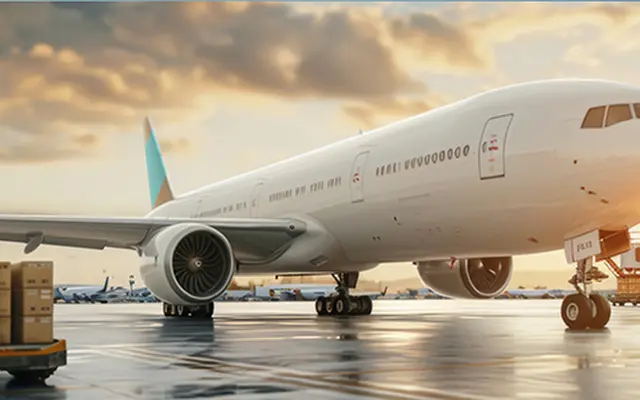
These four traditional rules are for non-containerized bulk cargo (e.g., grain, oil) where the seller loads goods directly onto the vessel.
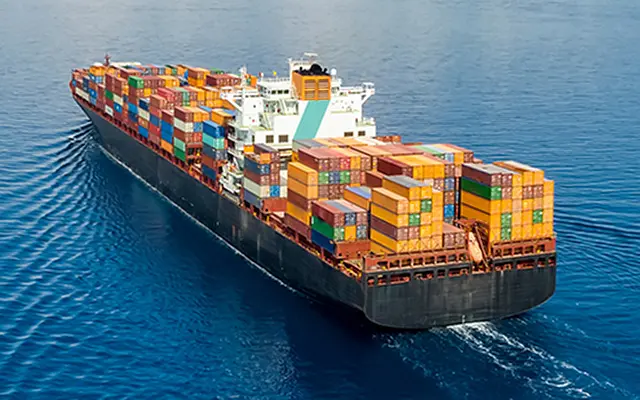
Selecting the right Incoterm is a strategic decision that affects your bottom line. Consider these key factors for your 2026 shipments:
Create Your No-Cost Account Today and experience the New Era of Logistics
As you plan for the future, a solid understanding of Incoterms is essential for successful global trade.
Here are the key principles to remember:
Is procuring goods your daily job? Are you considering becoming an importer of a specific product? Looking for alternative suppliers or ways to transport your cargo? Navigating the logistics of importing from China can feel overwhelming, but when broken down, it’s a strategic process that unlocks immense business potential. China remains the indispensable factory of the world, offering unparalleled manufacturing scale and competitive pricing.
This comprehensive guide takes you step-by-step, starting from supplier identification all the way to warehousing your final products. Our goal is to make importing products from China a breeze, streamlining your supply chain, minimizing risk, and maximizing your profit margins.
Create Your No-Cost Account Today and experience the New Era of Logistics
Ready to learn the logistical secrets of how to import from China successfully? Let’s begin.
Just like finding the right partner in your personal life, identifying a reliable supplier has the same long-term effects. Taking the time to choose the proper manufacturer can save you significant money, time, and hassle down the road. This phase is crucial for any business looking to import from China. Remember that when working with suppliers in China you need to be aware of how Chinese New Year affects their business, read our guide on How to be prepared for the Chinese New Year?
Today, there are many options for finding manufacturers, but a simple Google search often isn’t enough—especially since many smaller or highly specialized Asian factories aren’t indexed on Western search engines.
Once you have identified 3–4 potential suppliers for similar products, the real work of due diligence and negotiation begins. This comparative process helps you understand differences in factory processes, product quality, terms, and, critically, communication.
Schedule thorough negotiations to finalize the following aspects when ordering from China:
| Negotiation Point | Key Consideration | Risk Mitigation |
| Price | Base unit cost. Look for bigger discounts as your order quantity (MOQ) increases. | Lock in tiered pricing schedules for future scaling. |
| Certificates | Must confirm compliance for your target market (e.g., CE, RoHS, FDA, FCC). | Ask for proof of European reference orders to confirm market readiness. |
| Production Capability | The supplier’s capacity to meet your long-term demand and turnaround time. | Confirm maximum monthly output and production lead times. |
| Minimum Order Quantity (MOQ) | The lowest number of units they will produce. | Negotiate a lower MOQ for first/sample orders to manage risk. |
| Incoterms | This defines who pays for and manages the shipment at various points (e.g., FOB, EXW). (Read our full guide to Incoterms 2020 Explained). | Insist on FOB for larger shipments, which gives you control over the logistics from the Chinese port. |
| Payment Terms | Standard is often 30% deposit before production and 70% upon completion/inspection. | Never pay 100% upfront. Use secure methods like Trade Assurance. |
After initial price and product agreements, you must confirm market compliance.
This is where true cost efficiency for importing products from China is found. After samples are approved, you need to decide how to move the bulk cargo.
You have three main modes of freight: Air, Ocean, and Rail. The best choice depends on a crucial balance of time, cost, and cargo characteristics.
| Transport Mode | Rate (Est.) | Delivery Time | Ideal Cargo Type | Key Advantage | Key Disadvantage |
| Air Freight | 4-7 EUR/kg | 4-21 days | High-value, small, heavy (moulds, electronics, valuables), or urgent goods. | Fastest delivery. Low risk of in-transit damage. | Highest cost. Expensive for volumetric or big-dimensioned goods. |
| Ocean Freight | 0.5-1 EUR/kg | 70-120 days | Low-unit-price, volumetric, big-dimensioned, or heavy goods (metal, furniture). | Lowest shipping cost, essential for importing containers from China. | Longest transit time. Risk of General Average (cargo owners share loss). |
| Rail Freight | 0.5-1.5 EUR/kg | 30-45 days | Average unit price, volumetric goods (plastic, machinery), where 1-2 months’ transit is acceptable. | Cost-effective and relatively fast middle ground. | Capacity is smaller than sea/air. Passing Russia is restricted for certain goods. |
The Rule of Thumb
All seasoned veterans in importing from China who are ordering from multiple sources know that consolidation is a must-use strategy.
Consolidation involves combining shipments from different suppliers into a single, larger shipment (ideally a shared or full container). This efficiency significantly reduces your shipping cost per unit, often by more than 40% for customers shipping pallets.
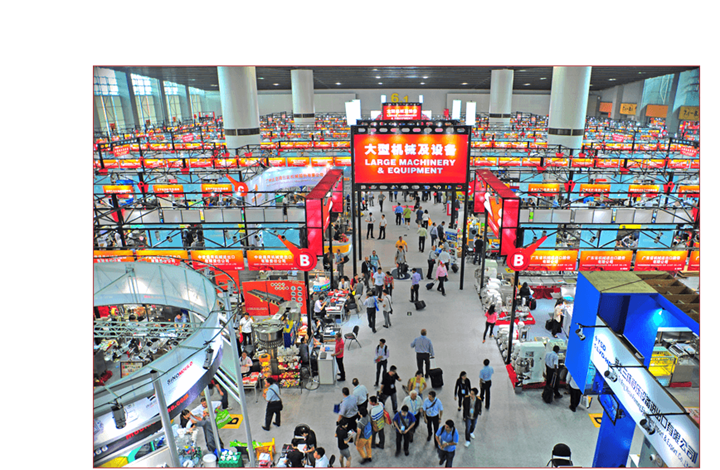
Once the shipment is ready, you must decide how the transportation and customs clearance will be managed.
You have two primary ways to arrange the final transportation:
The Incoterm you agree to with your supplier (Step 2) is a critical legal term that defines the exact point at which the responsibility and risk of the goods shift from the seller to the buyer.
Once your import goods from China reach the destination country, they must undergo customs clearance. This is due to the fact that all 3rd-country imports (outside the EU/local trade zone) require formal clearance. Read our Comprehensive Guide to Importing Goods into the EU
Customs clearance is a procedure where multiple factors are combined to determine the final duties and taxes: (Ensure you have your EORI number before clearance).
There are three main ways to manage the import customs clearance:
| Option | Pros | Cons | Best for |
| Freight Forwarder | Smoothest process; they already have the required documents and can manage issues quickly. Bulk pricing may offer a discount. | Slight intermediary cost is included in the service fee. | Most common, recommended for consistent importers and those new to importing from China. |
| Customs Broker | Highly specialized knowledge for complex products or niche industries. Best cost and time efficiency for specific, high-volume declarations. | Requires separate communication and management outside your main logistics partner. | Very specific, high-compliance products or businesses with extremely high, regular declaration volumes. |
| DIY Clearance | Cheapest option; every cent is saved on service fees. | Most time-consuming. Navigating the customs system can be complex and frustrating for first-timers. Declarations can take hours. | Edge cases only: when every cent is crucial, or you have previous customs experience. |
After customs clearance and payment of duties, the cargo is legally released for final mile delivery.
With first shipments, temporary storage may suffice. However, as orders grow consistent, you’ll face a critical decision about long-term storage and fulfillment.
Successfully importing from China is a systematic process encompassing product sourcing, diligent negotiation, strategic logistics planning, and compliance management. These steps are unavoidable, but when optimized, they create significant savings in time, cost, and cash flow.
By following this expanded guide, you can ensure that your process—from ordering from China to final storage—is efficient, compliant, and poised for growth.
Ready to streamline your next shipment? Let’s discuss how to import from China smoothly and cost-effectively with our instant-quote portal.
Create Your No-Cost Account Today and experience the New Era of Logistics
| Purpose | Recommended Website |
| Organizing Transport | www.mydello.com |
| Finding Suppliers (Ocean Data) | www.importyeti.com |
| Duty Calculation | www.simplyduty.com |
| Local Import Requirements (Example) | Your Local Customs Authority Website (e.g., ttja.ee, tullverket.se) |
When shipping internationally, the cost isn’t based only on the weight of your goods but also the space they occupy. Freight companies use chargeable weight to calculate the final shipping price, ensuring fairness and efficiency in their pricing.
Chargeable weight is determined by comparing two values:
Carriers will always use whichever of these two values is higher when determining your shipping cost.
Create Your No-Cost Account Today and experience the New Era of Logistics
Chargeable weight ensures fairness in pricing. Light but bulky cargo, such as furniture, packaging materials, or electronics, can occupy significant space on aircraft, trucks, ships, or trains, impacting how freight carriers price their services.
The formula for calculating volumetric weight differs by transportation method:
| Freight Mode | Volumetric Weight Calculation |
| Air Freight | Length (cm) × Width (cm) × Height (cm) ÷ 6000 |
| Courier Service | Length (cm) × Width (cm) × Height (cm) ÷ 5000 |
| Road Freight | Length (cm) × Width (cm) × Height (cm) ÷ 3000 |
| Rail Freight | Length (cm) × Width (cm) × Height (cm) ÷ 4285.7 |
| Ocean Freight | Measured in cubic meters (m³). 1 m³ = 1000 kg |
Suppose you have a shipment with the following dimensions and weight:
Calculate volumetric weight: 120cm x 80cm x 60cm ÷ 6000 = 96kg.
Since volumetric weight (96 kg) is greater than actual weight (70 kg), the chargeable weight is 96 kg.
| Freight Mode | Volume to Weight Ratio |
| Air Freight | 1 m³ = 167 kg |
| Courier Service | 1 m³ = 200kg |
| Road Freight | 1 m³ = 333 kg |
| Rail Freight | 1 m³ = 700 kg |
| Ocean Freight | 1 m³ = 1000 kg |
At MyDello, we handle all these calculations automatically. Simply input your shipment details into our digital portal, and instantly receive transparent pricing—no hidden fees.
Create Your No-Cost Account Today and experience the New Era of Logistics
PRESS RELEASE – MyDello, April 28th – Estonian logistics startup MyDello, which is at the forefront of digitalising the logistics sector, has launched a large-scale expansion, launching operations in Norway, Finland, Denmark, the Netherlands, Poland, and Germany. Previously the logistics platform operated in the Baltics, Sweden, and China, making goods delivery simpler, more transparent, and more affordable for customers. Now, the company plans to expand into at least 20 European countries by the end of 2026.
Create Your No-Cost Account Today and experience the New Era of Logistics
According to MyDello co-founder Magnus Lepasalu, the company has experienced significant growth over the past year, increasing its international revenue sevenfold in just the past six months. As such, the company plans to continue expanding, aiming to enter at least one new market every month and eventually establish a presence across all European countries.
“We’ve seen strong demand for our offering, even in markets that aren’t as digitally advanced as the Nordics or Baltics. And there still are a lot of markets where logistics relies heavily on paper, phone calls, constant price negotiations, and in some cases, even faxing documents,” said Lepasalu. “The feedback from local entrepreneurs has been overwhelmingly positive, and the growth so far validates our direction. That gives us the confidence to expand even faster.”
The new target markets have been chosen based on the business profiles of companies operating there, the nature of the business environment, and the competitive landscape. While the company has so far focused mainly on the Baltics and Scandinavia, in its active expansion phase, MyDello plans to map all possible markets and bring its services wherever they can be most beneficial, primarily targeting Western Europe and the broader European Economic Area.
Lepasalu emphasized that the logistics sector is ready for innovation and that there is strong demand for modern solutions across Europe.
“Our goal is to make intercontinental freight transport as simple as possible. For example, if someone needs to ship an entire container – or even a smaller shipment – from China to Europe by plane or ship, they simply enter the origin, destination, dimensions, and weight of the cargo. The system then takes care of everything else. The customer only has to choose the most suitable offer from the options presented, and the shipping is arranged,” he explained.
Over the past year, MyDello has focused on product development, financial stability, and updating its growth strategy, all of which have led to the ambitious plan to accelerate its expansion. Supporting this is a diverse portfolio of clients, including several well-known global companies.
Create Your No-Cost Account Today and experience the New Era of Logistics
“Smart, efficient, and modern logistics are the foundation of success for any international business. The past few years have shown a growing demand for innovative and sustainable services in our sector. We’re excited that our solution can now support even more customers,” Lepasalu added.
Founded in 2021, MyDello is an Estonian logistics platform that provides businesses with a fast and convenient way to manage international shipments. It enables real-time comparison of different shipping solutions and helps companies select the most suitable transportation method for their needs. The company’s mission is to reduce waste in global supply chains and make international freight transport fully automated. The company has received €1.25M in seed funding.
A reliable, transparent, and helpful partner in logistics is crucial for every exporting business. Latvian company Vendon strives to provide the best possible service and quality products, and for that, it is essential to have a partner with the same values.
According to Vendon Logistics Project Manager Ralfs Heinsbergs, they usually search for logistical solutions with various services. When a particularly unique cargo needs extra attention, they use the Estonian global shipping service platform MyDello. This platform provides immediate quotes for global shipments across all transport mediums, including air, road, rail, and ocean. Moreover, it connects various parties in the supply chain and offers a convenient way to receive an immediate offer.
Vendon specializes in remote coffee and vending machine management and monitoring. Their technology helps optimize tasks, boost revenue, significantly reduce costs, and provides seamless payment solutions. Based in Latvia, they are key players in the industry, operating in over 90 countries worldwide.
Vendon uses MyDello when other services cannot ship the cargo to the needed destination, when the cargo is larger than usual, or when prices are not competitive. “For daily operations, MyDello has helped us with many issues when there is more complicated cargo to be shipped. We turn to them, and they solve it on our behalf,” says Heinsbergs. “So far, we have not had any issues with any of the cargo that we have shipped with MyDello, and the feedback from our customers has been good. The team is very responsive and supportive, takes initiative, and promptly solves any issues.”
MyDello’s mission is to simplify ordering and managing shipments across all freight modes, making it easy for users to compare different options and find the most suitable solution.
Create Your No-Cost Account Today and experience the New Era of Logistics
Vendon is primarily focused on exports, making logistics very important for them. Heinsbergs emphasizes that support is the most important and valued aspect. “Anyone working in these fields knows how draining and sometimes disappointing it can be to find a service that will take care of your shipments – with MyDello, all those worries just disappear,” explains Heinsbergs. “We strive to provide the best possible support and quality to our customers, so it’s important to have a partner with the same values.”
Heinsberg highlights that one of his favourite aspects of MyDello is the fast response and transparency. “There are a lot of services that are not as responsive as we would like them to be. If there is ever an issue with a shipment, it usually takes about two days even to find out what is wrong. With MyDello, there is clarity within a short period, and the team supports you in solving related issues,” he says. “The team and the portal inform you about everything related to the shipment.”
He also emphasizes MyDello’s transparency with pricing. “All the prices are visible and available for you to review when you receive the quote. Additionally, the prices tend to be very competitive, and if they’re not, they can be negotiated.”
Create Your No-Cost Account Today and experience the New Era of Logistics
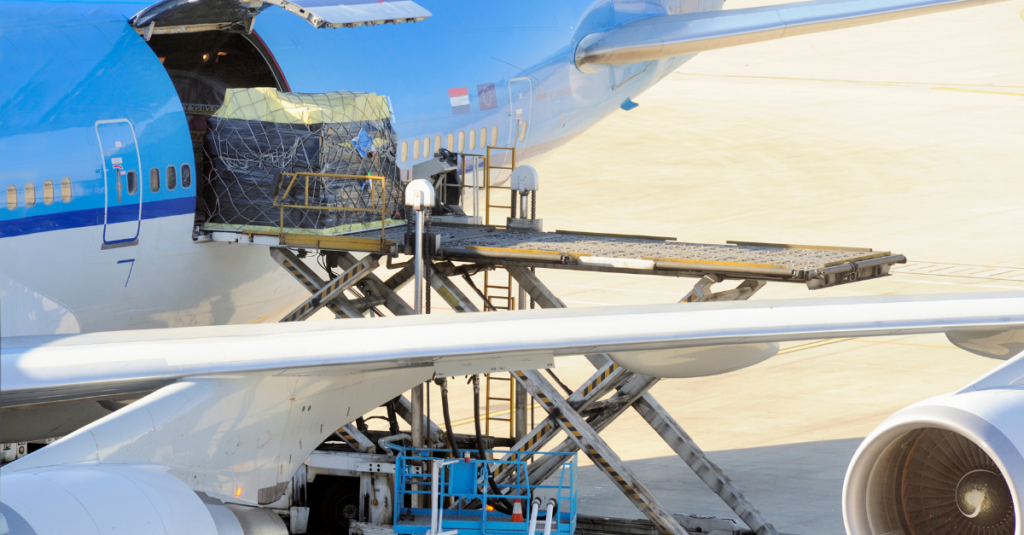
MyDello Air Consolidated, or MAC for short, is our newest service designed to make importing from China easier, cheaper, and more reliable for businesses in Estonia, Sweden, Latvia, and Lithuania.
Create Your No-Cost Account Today and experience the New Era of Logistics
Imagine MAC as a VIP bus service for your goods:
MAC is perfect for businesses in Estonia, Sweden, Latvia, and Lithuania that:
“MAC has made our imports from China so much easier. It’s cheap, always on time, and the MyDello team handles everything. We love it!” – Happy Customer from Riga
Ask us about long-term pricing agreements. Lock in great rates for months and make budgeting a breeze!
Create Your No-Cost Account Today and experience the New Era of Logistics
Or call us today to speak with a friendly MyDello expert. Let’s make your China imports simple!