

Sign up for an absolute no-cost account and experience the future of logistics today.
Create Your Free Account!
Back

What is an EORI number and how do you get it?

05-07-2026
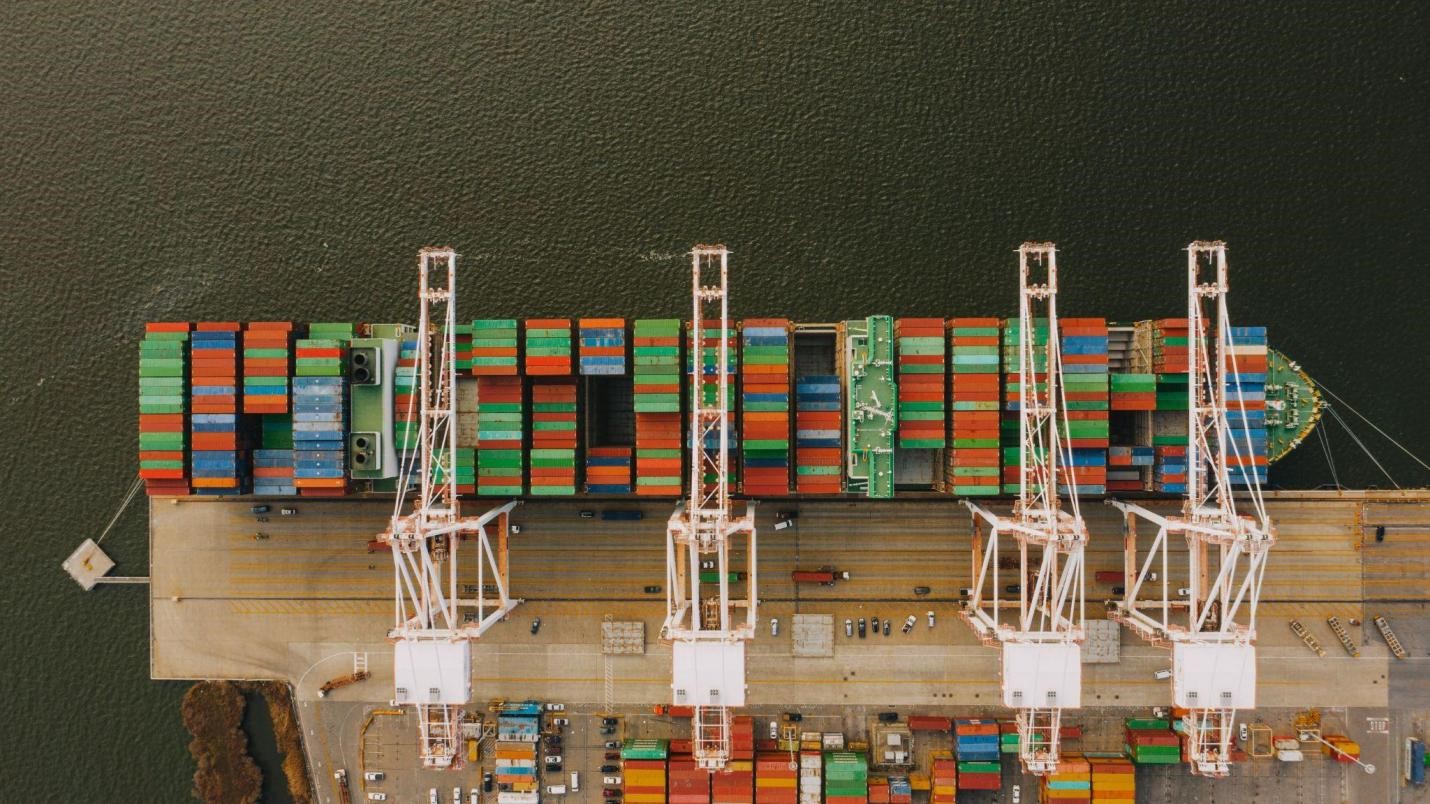
Ocean vessel with containers

Any business involved in import, export, transit or other customs operations in the European Union will usually need an Economic Operators Registration and Identification number, better known as an EORI number. In fact, it is required when exporting or importing goods in any Member State by the EU customs legislation. An EORI number identifies your business in customs procedures, and it may be required as part of the import process. 

Need help with customs requirements for your shipment? Contact the MyDello team for practical logistics support. 


What is an EORI number? 

An EORI number, short for Economic Operators Registration and Identification number, is a unique customs identification number used by businesses and other economic operators involved in international trade. It allows customs authorities in the EU to identify companies when they import, export or move goods through customs procedures. 

In practice, an EORI number is used on customs declarations and other customs-related documents. It helps authorities track shipments, process customs clearance, and exchange information between customs systems more efficiently. 

What is the format of an EORI number? 

The EORI number format usually consists of a two-letter country code followed by a unique combination of numbers or letters. For EU countries, the country code shows where the EORI number was issued, followed by up to 15 alphanumeric characters. 

For example, an EORI number in Germany starts with DE, while an EORI number in France starts with FR. A UK EORI number usually starts with GB. In some cases, businesses moving goods involving Northern Ireland may need an EORI number starting with XI. 

Examples of EORI number formats include: 

Country 

EORI number format example 
UK  GB123456789000 
Germany  DE1234567890 
Spain  ES12345678A 
Italy  IT12345678901 
France  FR1234567890000 
Estonia  EE12345678 


The exact structure can vary by country and business type, so it is always best to check the number with the EU’s official EORI validation tool before using it for customs declarations. 

Who needs an EORI number? 

An EORI number is required for any economic operator registered in the EU who is involved in international trade. Non-EU operators may also need an EU EORI number when they carry out customs-related activities in the European Union, such as lodging customs declarations, ENS/EXS declarations, temporary storage declarations, or acts as a carrier in relevant situations. When a company has one or more branches, it must use the EORI number of the parent company. 

An EORI number is not limited to just businesses but can be issued and used by individuals engaging in international trade as well.   

There are situations where an EORI number is not required, for example: when your business activities are contained within one Member State – e.g. only in Estonia and there’s no import/export with other countries and thus no customs operations – or when you’re moving goods for personal use only. 

Map-of-eu-on-globe
Image: Christian Lue via Unsplash

Why do you need an EORI number outside and inside the European Union?

EORI requirements depend on where your customs operation takes place. An EU EORI number is used for EU customs operations, while UK EORI requirements are separate after Brexit.

For businesses established in the EU, an EU EORI number is used for customs operations within the customs territory of the European Union. One valid EU EORI number can be used across EU Member States, so a company does not usually need a separate EORI number for every EU country where it trades.

For businesses trading with the UK, it is important to note that EU and UK EORI numbers are now separate after Brexit. An EU EORI number is used for EU customs operations, while a GB EORI number is used for customs operations in Great Britain. In certain cases, businesses moving goods to or from Northern Ireland may also need an XI EORI number.

Economic operators not established in the EU may need an EU EORI number when they carry out customs-related activities in the EU, such as:

  • lodging a customs declaration in the customs territory of the EU;
  • lodging an Entry Summary Declaration (ENS) or Exit Summary Declaration (EXS);
  • submitting a temporary storage declaration in the customs territory of the EU;
  • acting as a carrier for transport by sea, inland waterway or air;
  • acting as a carrier connected to the customs system and receiving notifications under customs legislation.

Individuals or persons other than economic operators may also need to register for an EORI number in the same situations.

Is an EORI number the same as a VAT number?

No, an EORI number is not the same as a VAT number. An EORI number is used to identify a business or economic operator in customs procedures, such as importing, exporting or moving goods through customs. A VAT number, on the other hand, is used for tax purposes, including VAT registration, reporting and payment.

In some countries, the EORI number may be based on or linked to the company’s VAT number, which can make the two numbers look similar. However, they do not serve the same purpose and should not be treated as interchangeable. For customs declarations, the correct EORI number is required.

How to get an EORI number?

To get an EORI number, you need to apply through the customs authority of the relevant country. If your company is established in the EU, you should request an EORI number from the customs authority in the EU country where your business is established. Once issued, this EU EORI number can usually be used for customs operations across all EU Member States.

Economic operators or individuals outside of the EU should apply in the EU country where they first carry out a customs operation. This is usually the country where they first lodge a customs declaration or apply for a customs-related decision.

The exact application process differs by country, but in most cases you will need to provide basic company and tax information, such as:

  • company name and legal form;
  • registered business address;
  • company registration number;
  • VAT number, if applicable;
  • tax identification number;
  • contact details;
  • information about the type of customs activity you will carry out.

Applications are normally submitted online through the national customs authority website of the country where you apply.

How long does it take to get an EORI number?

How long it takes to get an EORI number depends on the country where you apply and whether the customs authority needs to check your application. In some countries, an EORI number may be issued quickly, while in others it can take several working days or longer.

For example, in the UK, a GB EORI number is usually issued immediately unless HMRC needs to carry out additional checks. If extra checks are needed, it can take up to 5 working days. XI EORI numbers for certain Northern Ireland movements may also take up to 5 working days.

In the EU, processing times vary between Member States, so it is best to apply before arranging your first shipment. Some countries may process applications within a few days, while others can take longer depending on the applicant, documentation and local customs procedures. If the shipment is urgent, contact the relevant customs authority or your customs broker to check whether faster processing or support is available.

How to check if an EORI number is valid? 

You can check whether an EORI number is valid by using the official EU EORI number validation tool. This allows you to confirm the validity of your EORI number before using it for customs declarations or sharing it with a freight forwarder, customs broker, or trading partner. 

To check an EORI number, enter it in the EU EORI number validation tool. 

Can someone apply for an EORI number on your behalf? 

In many cases, you can apply for an EORI number yourself through the relevant customs authority. However, the process can be confusing if you are unsure whether your business needs an EU, GB or XI EORI number, or if you are dealing with customs requirements in another country. 

A freight forwarder, customs broker or logistics partner may be able to help you understand which EORI number you need, what information is required and where the application should be submitted. Depending on the country, they may also be able to support the application process, although the business applying for the EORI number may still need to provide information, sign documents or submit the application directly. 

MyDello can help you understand the customs requirements for your shipment and guide you through the information needed for EORI registration. If you are unsure which EORI number applies to your business or shipment, contact the MyDello team for practical support with your logistics and customs needs. 

We also recommend checking the official EU information about EORI numbers before applying. 

Sources used: