The price was good, the shipping time was fast and the communication was excellent. We will use your service again and also recommend it to others.
Jon Lindal, Islandus Europe ehf


The landscape of global trade is shifting, but in 2026, China’s role as the “World’s Factory” remains undisputed. For any business looking to scale, the ability to effectively navigate China wholesale websites is no longer just an advantage—it is a necessity. Whether you are a small retailer or a large enterprise, the journey to buy direct from China involves more than just finding a low price; it requires a strategic approach to sourcing, quality control, and sophisticated logistics.
At MyDello, we understand that the sheer scale of Chinese manufacturers can be overwhelming. Our mission is to act as your digital logistics partner, transforming a complex web of freight, customs, and manufacturer-to-door delivery into a straightforward, transparent process. This guide is designed to help you master the art of sourcing from a Chinese manufacturing company while ensuring your supply chain remains resilient and cost-effective.
Create Your No-Cost Account Today and experience the New Era of Logistics
The Chinese manufacturing company ecosystem is a marvel of modern industrialization. Unlike other regions, China offers complete vertical integration—meaning everything from raw materials to finished electronics and packaging is often produced within the same industrial cluster. This is why sourcing from China remains the primary choice for most businesses worldwide.
In 2026, the dominance of Chinese manufacturers is driven by infrastructure and specialized labor. Cities like Shenzhen have become global hubs for hardware, while Ningbo and Qingdao lead in heavy machinery and textiles. When you buy direct from China, you are tapping into a supply chain that has been refined over decades to prioritize speed and scalability. However, this vastness means that not every Chinese factory is created equal.
To successfully navigate the China wholesale market, you must move beyond looking at product photos. Here are the three pillars of supplier verification:
The number of China websites for wholesale has grown, but a few key players continue to define the market. To help you find the right fit, we have curated this list of Chinese wholesale sites based on business scale and product category.
Alibaba remains the most comprehensive platform for finding Chinese manufacturers. It is designed for businesses that need custom-manufactured (OEM) goods in bulk.
For buyers focusing on electronics and high-end fashion, Global Sources is the premier platform. They are known for their rigorous verification process, making them a top choice among the best China wholesale websites.
If your business involves heavy machinery, construction materials, or specialized industrial components, this is the site for you. It connects you with a Chinese manufacturers list that specializes in B2B industrial sales.
1688 is the domestic version of Alibaba. While the interface is in Chinese, it offers the lower prices because it is where Chinese vendors sell to other Chinese businesses.
DHgate is one of the top China wholesale websites 2026 for small businesses and dropshippers. It functions like a wholesale version of Amazon, allowing you to buy smaller quantities of “off-the-shelf” products.
This platform digitizes the famous Yiwu International Trade City. It is the best place to find small commodities, accessories, and promotional items.
Once you have identified your sources in China and secured your inventory, the next challenge is getting it to you. Logistics can be where the hidden costs of sourcing from China reside.
Shipping from a Chinese factory involves several critical stages:
When importing from China direct to the EU, compliance is key. You must ensure your Chinese vendors provide documentation for CE marking if applicable.
The US market requires a Customs Bond for shipments over $2,500. Additionally, in 2026, importers must stay vigilant about Section 301 tariffs which can significantly impact the “landed cost” of products from a Chinese company.
The true price of how to buy direct from China is the “landed cost.” This includes the price paid to the factory, shipping fees, insurance, and—most importantly—import taxes.
The tax landscape is changing rapidly. Starting July 2026, the European Union will abolish the previous €150 customs duty exemption. Mean even small parcels from China wholesale websites are subject to a flat-rate duty (typically around €3 per item) or the standard ad valorem duty, whichever is applicable.
In the US, de minimis rules (Section 321) are under heavy scrutiny. Importers must ensure that their Chinese suppliers are providing accurate commercial invoices to avoid heavy fines or seizures at the border.
Legal Disclaimer: The tax information provided is for general guidance and educational purposes only. It does not constitute legal or professional tax advice. Trade regulations in 2026 are subject to sudden change. We strongly recommend consulting with a licensed customs broker or tax professional to ensure compliance for your specific business.
Logistics should be the easiest part of your business, not the hardest. MyDello’s digital platform removes the guesswork from shipping. We provide:
Create Your No-Cost Account Today and experience the New Era of Logistics
Mastering the use of China wholesale websites is a journey of continuous learning. To succeed in the competitive 2026 market, keep these points in mind:
Finding the right Chinese suppliers and a reliable way to get your goods home is the foundation of any successful import business. With the right strategy and the right digital partner, the world of China direct trade is open to you.
External Resources:
The global economy is a complex, interconnected machine where the “oil” that keeps the gears turning is quite literally oil. In 2026, the maritime industry—responsible for over 80% of global trade by volume—is facing one of its most significant challenges in decades. A deepening fuel crisis, spurred by geopolitical instability and shifting market fundamentals, has sent ripples through every stage of the supply chain.
From the cost of bunkering a massive container ship to the price of a parcel delivered to a consumer’s doorstep, the impact is unavoidable.
This article provides a comprehensive look at how current events in the Middle East, historical price trends, and expert economic forecasts are converging to redefine the logistics landscape. We will explore the direct correlation between crude oil volatility and freight rates, the specific role of the ongoing conflict in Iran, and what businesses can expect as they navigate these turbulent waters.
Create Your No-Cost Account Today and experience the New Era of Logistics
The relationship between geopolitical stability in the Middle East and the price of oil has always been sensitive, but 2026 has seen this tension reach a critical boiling point. The escalating conflict involving Iran and Israel has directly impacted the world’s most vital maritime chokepoints, most notably the Strait of Hormuz.
As of March 2026, approximately 20% of the world’s seaborne oil trade and nearly 19% of global liquefied natural gas (LNG) volumes pass through the Strait of Hormuz. Recent disruptions and the subsequent maritime blockade have led to what the International Energy Agency (IEA) describes as the “largest supply disruption in the history of the global oil market”.
When conflict flares in this region, the iran war impact oil prices 2026 becomes a central concern for traders and logistics managers alike. Even the threat of a closure adds a “geopolitical risk premium” to the crude oil price. In early 2026, analysts estimated that this premium added between $4 and $15 to every barrel of oil, even before physical supply was fully halted.
Iran itself is a major producer, contributing roughly 4% of the global oil supply in 2025. However, the broader iran israel war impact on oil prices stems from the secondary effects on neighboring producers like Saudi Arabia, Iraq, and the UAE, who rely on the same shipping lanes to reach Asian and European markets. By mid-March 2026, regional oil production reportedly dropped by millions of barrels per day as exports became “stranded” due to the blockade.
It creates a two-pronged crisis:
The iran war impact on oil prices is further compounded by damage to energy infrastructure. Reports of strikes on LNG facilities have caused localized spikes in energy costs, with spot prices in some regions increasing by over 140%. For the shipping industry, this means that the oil price today is no longer just a reflection of supply and demand—it is a reflection of global security.
When the crude oil price climbs, the shipping industry is often the first to feel the heat. Fuel, specifically bunker fuel, accounts for a massive portion of a vessel’s operating expenses—often as much as 50% to 60% for older, less efficient ships.
To manage the volatility of the fuel crisis, ocean carriers utilize a mechanism known as the Bunker Adjustment Factor (BAF). This is a floating surcharge that carriers add to the base freight rate to compensate for fluctuations in fuel costs.
As the price of oil surged past $120 per barrel in March 2026, BAF charges climbed in tandem. For a business shipping a 40-foot container from Shanghai to Rotterdam, this means the final invoice can change significantly between the time of booking and the time of arrival.
Shipping companies rarely absorb these costs. Instead, they are passed down the line:
This is not limited to ocean freight. The fuel crisis has also hit road haulage and air freight. In fact, air freight is even more sensitive to fuel price hikes, with jet fuel accounting for 30–40% of an airline’s total operating costs. Major e-commerce giants have already begun implementing 3.5% “fuel and logistics-related surcharges” as of April 2026 to combat these rising overheads.
[Image showing the breakdown of shipping costs including fuel, labor, and port fees]
In response to high fuel costs, the industry often adopts “slow steaming”—the practice of operating ships at significantly lower speeds to reduce fuel consumption. While this saves money for the carrier, it increases lead times for the shipper. Many businesses are also forced to shift from air freight to ocean freight to save on costs, even if it means slower delivery.
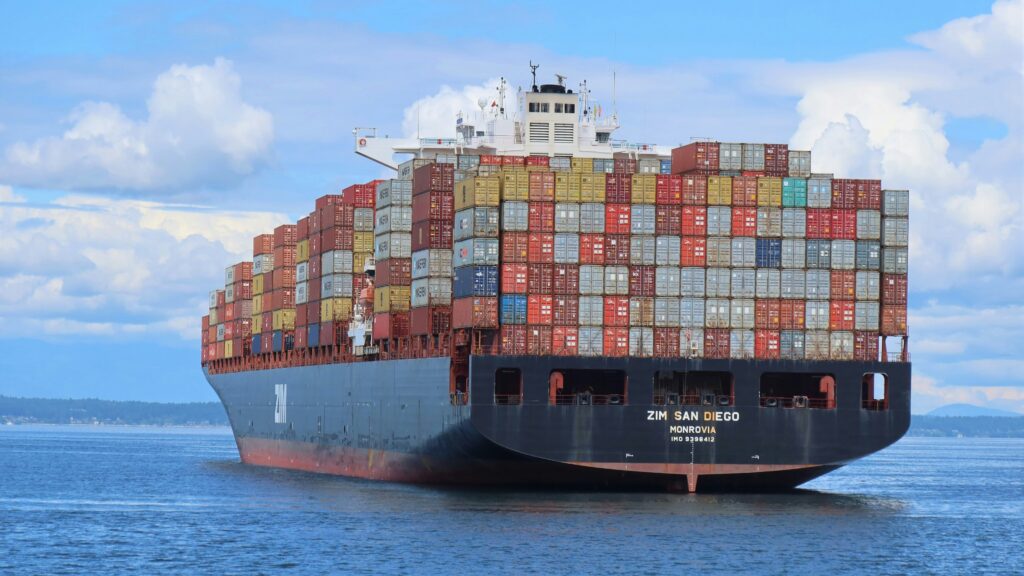
To understand the current fuel crisis, we must look back at how the market has behaved over the last quarter-century. The price of oil has never been static; it is a story of extreme peaks and sudden valleys.
The early 2000s saw a steady climb in oil prices, driven by rapid industrialization in China and India. This culminated in the historic peak of July 2008, when Brent crude reached an all-time high of nearly $147 per barrel. However, the global financial crisis caused prices to collapse to under $40 by the end of that same year.
Following the recovery, oil prices stabilized between $100 and $120 for several years until the “Shale Revolution” in the United States led to an oversupply. In 2014, prices plummeted again, staying relatively low until the end of the decade.
The year 2020 provided one of the most bizarre moments in history: WTI crude futures briefly turned negative due to a lack of storage during COVID-19 lockdowns. However, as the world reopened, a “bull market” returned. The 2022 invasion of Ukraine by Russia sent prices back above $100, marking the start of a more volatile era for energy.
By the beginning of 2026, the market was already on edge. While 2025 had seen a downward trend with prices fluctuating in the $60–$80 range, the outbreak of the iran war in late February 2026 shattered that stability.
| Era | Key Event | Avg. Price (Brent) |
| 2008 | Global Financial Crisis | $97 |
| 2014 | US Shale Boom | $99 |
| 2020 | COVID-19 Pandemic | $41 |
| 2022 | Ukraine Conflict | $101 |
| 2026 | Iran-Israel Conflict | $80 – $120+ |
Predicting the oil price forecast iran war march 2026 is notoriously difficult, and experts often disagree. It is important to treat any forecast with caution, as the market is driven as much by psychology and speculation as it is by physical supply.
As of early April 2026, there is a significant split among major financial institutions:
The consensus is that while the initial spike was dramatic, the long-term trend depends on whether military action remains “targeted” or expands to include Iranian oil production infrastructure. If the blockade persists, some economists warn of a technical recession for energy-intensive economies.
Create Your No-Cost Account Today and experience the New Era of Logistics
The fuel crisis of 2026 is a stark reminder of the shipping industry’s vulnerability to global events. As the iran war impact oil prices continues to unfold, businesses must adapt to a new normal of higher surcharges and less predictable lead times.
Key points to remember:
Understanding what is the price of oil today is no longer enough; logistics professionals must understand why it is moving and how to mitigate the risks that come with it. By staying informed and utilizing modern tools, your business can weather the storm of the 2026 fuel crisis.
In the intricate machinery of global trade, fuel acts as the essential lubricant that keeps the wheels of commerce turning. However, as the first quarter of 2026 has demonstrated, this lubricant can also become a significant source of friction. For businesses operating in the international marketplace, shipping fuel prices have evolved from a standard operational expense into a critical strategic variable that can dictate the viability of an entire supply chain.
From the high-tech bunkering terminals of Singapore to the historic ports of the ARA (Amsterdam-Rotterdam-Antwerp) region, the maritime industry is currently navigating a period of unprecedented volatility. The convergence of geopolitical shifts, stringent environmental mandates, and sudden infrastructure shocks has sent bunker fuel prices on a trajectory that few analysts predicted at the start of the decade. As we move through March 2026, understanding these dynamics is no longer optional; it is a prerequisite for avoiding unexpected costs and maintaining a competitive edge.
This comprehensive guide serves as a roadmap for logistics managers and business owners. We will dissect the mechanics of how fuel prices influence shipping rates, provide a deep dive into the technical world of bunker fuel, and analyze the specific crises defining the 2026 landscape. Furthermore, we will look back at historical trends since 2000 to understand the patterns that have shaped today’s market, helping you build a more resilient logistics strategy.
Optimize Your Logistics with MyDello
In an era where fuel surcharges can shift overnight, having a transparent logistics partner is invaluable. MyDello offers a digital-first platform that provides instant, all-in-one shipping quotes, allowing you to compare routes and costs in real-time. Whether you are shipping by sea, air, or road, our tools help you stay ahead of market volatility. Get your instant quote now and take control of your shipping costs.
Create Your No-Cost Account Today and experience the New Era of Logistics
The relationship between shipping fuel prices and the final invoice a customer receives is both direct and multi-layered. Fuel—commonly referred to in the industry as bunker—typically accounts for 50% to 80% of a vessel’s total operating cost. When the price of crude oil moves, the maritime sector feels the impact almost instantly.
To manage the risk of fuel volatility, carriers utilize the Bunker Adjustment Factor (BAF). This is a floating surcharge designed to compensate for the difference between the base fuel price used when a contract was signed and the current price at the time of transit.
In early 2026, many major carriers adjusted their BAF significantly. For example, some regional lines increased their surcharge from a modest 2.1% in February to 5.0% for all March sailings. For a medium-sized enterprise shipping fifty 40-foot containers a month, this 3% jump translates into a substantial, and often unbudgeted, expenditure.
When fuel prices skyrocket—as they did in early March 2026—carriers often implement slow steaming. By reducing a vessel’s speed by just 10%, a ship can save upwards of 20% in fuel consumption. While this is an effective cost-containment strategy for the carrier, it presents a hidden cost for the shipper: increased lead times. Longer transit times tie up capital in inventory and can lead to stockouts, which are unexpected costs that rarely appear on a shipping quote but hit the bottom line hard.
High fuel costs also drive carriers to optimize their networks by reducing the number of port calls. This hub-and-spoke model means goods might sit in a major transshipment hub like Singapore or Algeciras for several days longer than usual while waiting for a secondary feeder vessel. The result is a more rigid supply chain where delays are magnified by the high cost of any off-schedule movement.
To effectively manage logistics, one must first understand what are bunker fuel prices and how they are calculated. The term bunker refers to the fuel stored in the tanks (bunkers) of a ship. Unlike gasoline at a local station, bunker fuel is a heavy, viscous product that comes in several distinct grades, each with its own price point and regulatory requirements.
Bunker fuel is not priced on a single global exchange. Instead, it is traded in regional hubs. Bunker fuel prices ARA refers to the price in the Amsterdam-Rotterdam-Antwerp region, the primary fueling stop for North Europe. Conversely, bunker fuel prices Singapore today reflects the market in the world’s largest bunkering port, which serves as the gateway to Asia.
The spread between these regions is a critical indicator of global supply health. For instance, in mid-March 2026, Singapore was trading at a $250 premium over Rotterdam—a massive increase from the historical average of $20 to $30. This divergence between basins signals localized shortages and can drive unexpected costs for shippers whose routes are heavily weighted toward a specific region.
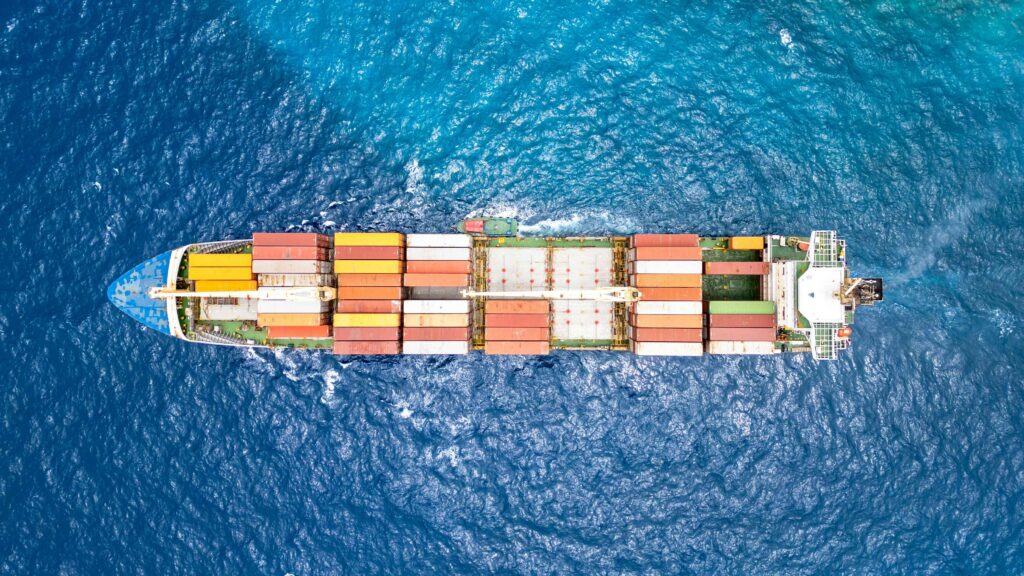
The first few months of 2026 have been a stress test for global logistics. After a relatively stable 2025 where VLSFO prices averaged around $535 per tonne, the market entered 2026 on an upward trajectory that accelerated into a full-blown crisis by March.
In mid-February 2026, VLSFO in major hubs was trading around $486 per tonne. By March 20th, that price had exploded to over $1,034 in Singapore—a staggering 113% increase in just five weeks. Similar spikes were seen in Houston and Fujairah, where prices reached as high as $1,248 per tonne.
Beyond geopolitical factors, 2026 has seen a sharp rise in regulatory costs. The European Union’s Emissions Trading System (EU ETS) now requires shipping companies to pay for 100% of their carbon emissions on intra-EU voyages. In 2025, these costs added approximately $185 per tonne of fuel consumed; in 2026, that figure is expected to rise further as carbon credit prices fluctuate. These carbon surcharges are increasingly being broken out as separate line items on shipping invoices, contributing to the complexity of shipping fuel prices news.
As traditional bunker fuel oil prices rise, the industry is accelerating its pivot toward alternatives. Bunker fuel forward prices for LNG (Liquefied Natural Gas) and methanol have become more competitive. However, the infrastructure for these fuels is still developing, and the green premium for sustainable methanol remains high, forcing many carriers to continue relying on volatile oil-based fuels for the foreseeable future.
The defining event of the early 2026 logistics landscape has been the effective closure of the Strait of Hormuz. This narrow waterway, which connects the Persian Gulf to the Gulf of Oman, is perhaps the most critical maritime choke point in the world.
Starting in late February 2026, geopolitical tensions in the Middle East led to a series of disruptions in the Strait. By early March, the waterway was described by maritime analysts as effectively closed to commercial traffic from several major nations. Roughly 20% of the world’s daily oil supply and a significant portion of its LNG pass through this 21-mile-wide passage.
The closure has had a cascading effect on global shipping:
This crisis illustrates why current marine fuel prices ship & bunker data is so vital. When a major artery like Hormuz is blocked, the resulting supply shock drives up the world bunker fuel prices everywhere, not just in the Middle East.
To understand where we are going, we must look at where we have been. Bunker fuel prices historical data reveals a market defined by long periods of stability interrupted by violent shifts.
The first decade of the 2000s was marked by the rapid industrialization of China and a corresponding surge in global trade. Bunker prices climbed steadily, peaking in 2014 at around $746 per tonne. During this era, fuel was expensive, but prices were relatively predictable, allowing for long-term budgeting.
In 2015, the oil market collapsed, and bunker prices dropped by nearly 37%, hitting lows of $468 per tonne. This period provided a breather for the logistics industry, but it also slowed the investment in fuel-efficient technologies as the urgency of avoiding unexpected costs faded.
The 2020 IMO transition was the most significant regulatory shift in a generation. Prices spiked as the industry scrambled for low-sulfur fuel, only to be followed by the unprecedented demand drop during the global pandemic. By 2024, prices had stabilized, but the new normal included higher baseline costs due to carbon taxes and cleaner fuel mandates.
Interestingly, 2025 was a year of downward trends. Average VLSFO prices fell by over 14% to $535 per tonne, the lowest annual average since 2020. This decline was driven by persistent crude oversupply and slowing global demand, leading many to believe that 2026 would be a year of low shipping fuel prices. The sudden spike in early 2026 caught many off-guard, highlighting the danger of relying on short-term trends for long-term planning.
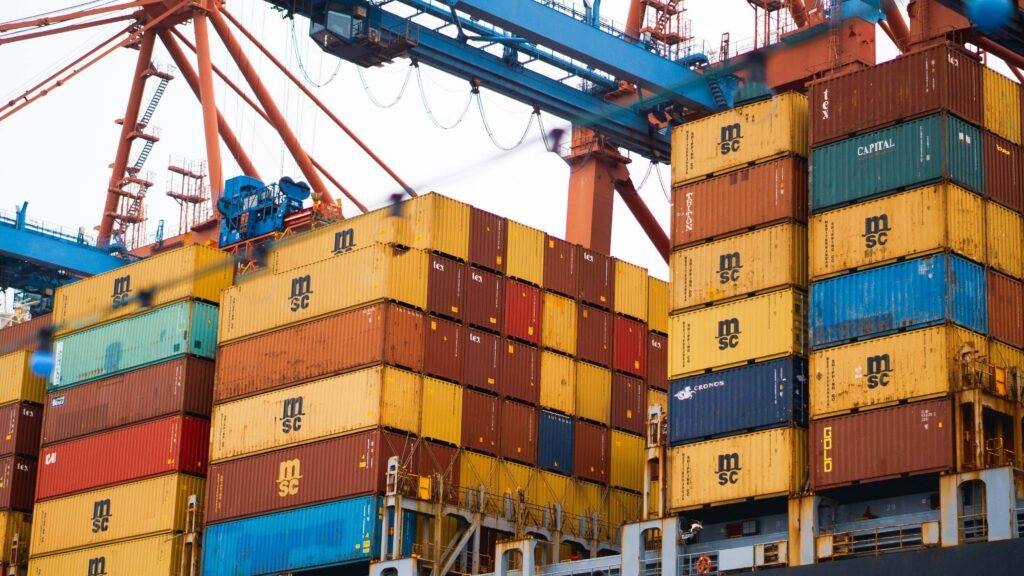
One of the most frequent questions from consumers and small businesses is, do fuel prices influence car shipping costs?. The answer is a resounding yes. While the maritime industry uses heavy bunker oil, the car shipping sector relies on diesel prices shipping fuel news today.
In the domestic auto transport market, fuel is often the single largest variable cost. In early 2026, diesel prices saw a 25.6% increase in just three weeks, rising to approximately $4.66 per gallon. Because car carriers operate on thin margins, even a 10% increase in fuel costs can trigger a direct 10% to 15% rise in consumer shipping rates.
Unlike ocean freight, which often uses fixed schedules, auto transport pricing is highly dynamic. When fuel prices are volatile:
Optimize Your Logistics with MyDello
Navigating the complexities of both international bunker markets and domestic diesel fluctuations requires a partner who can see the whole picture. MyDello’s platform simplifies the process, giving you the visibility needed to choose the right mode and route for your cargo. Discover how MyDello can help you mitigate fuel-related price hikes today.
Create Your No-Cost Account Today and experience the New Era of Logistics
As we look toward the remainder of 2026 and into 2027, the focus is on bunker fuel forward prices and the transition to a multi-fuel future.
Despite the current Q1 2026 crisis, some analysts expect the market to soften in the second half of the year if geopolitical tensions ease and additional refinery capacity comes online. However, the structural tightness in the distillate market—particularly for MGO—suggests that prices for high-grade fuels will remain elevated.
The concept of green corridors—specific shipping routes supported by alternative fuel infrastructure—is gaining momentum. Bunker fuel prices Philippines and other emerging hubs are increasingly including quotes for bio-blends and LNG as part of their bunker fuel prices updates. While these fuels currently carry a premium, their price stability relative to oil-based bunker fuel is making them an attractive option for avoiding unexpected costs in the long term.
Shipping fuel prices are no longer a background noise in global logistics; they are a defining force. The events of 2026—from the $1,000 VLSFO peaks to the closure of the Strait of Hormuz—have shown that the only constant is volatility.
To protect your business and avoid unexpected costs, keep these strategies in mind:
By understanding the technical, historical, and geopolitical factors driving the fuel market, you can transform a major risk factor into a managed variable, ensuring your logistics operations remain resilient no matter which way the wind—or the fuel price—blows.
The Strait of Hormuz is often described as the world’s most important maritime chokepoint, a narrow stretch of water that serves as the jugular vein for global energy markets. Connecting the Persian Gulf with the Gulf of Oman and the Arabian Sea, this maritime gateway facilitates the movement of approximately one-fifth of the world’s total petroleum liquids consumption and a significant portion of its liquefied natural gas (LNG).
In the landscape of modern international trade, the stability of Strait of Hormuz shipping is not merely a regional concern but a fundamental requirement for global economic health. As of early 2026, the waterway has once again become the focal point of international logistics following significant disruptions that have forced a total re-evaluation of supply chain resilience. This article examines the historical context, geographical practicalities, and the profound logistical implications of this critical maritime corridor.
Optimize Your Logistics with MyDello
Navigating global supply chain disruptions requires more than just luck; it requires expert planning and real-time visibility. MyDello provides the tools you need to manage complex international shipments, whether you are rerouting around maritime chokepoints or seeking alternative freight modes. Visit MyDello to streamline your logistics and ensure your cargo reaches its destination, no matter the global climate.
Create Your No-Cost Account Today and experience the New Era of Logistics
The history of the Strait of Hormuz is as old as global trade itself. For centuries, it has served as a bridge between the civilizations of the East and the West, facilitating the exchange of spices, silks, and precious metals. However, its modern strategic significance was cemented in the 20th century with the discovery of vast oil reserves in the Persian Gulf.
Long before the advent of the oil age, the Strait of Hormuz was the center of a thriving commercial empire. In the 15th and 16th centuries, the Kingdom of Ormus was one of the wealthiest ports in the world, serving as the primary link between India and the Mediterranean via the Persian Gulf. In 1507, the Portuguese explorer Afonso de Albuquerque seized the island of Hormuz, recognizing that whoever controlled this narrow gap controlled the flow of wealth between the East and the West. The Portuguese fortification of the strait marked the first time a global power used the waterway as a strategic lever to dominate international trade routes.
The 20th century transformed the strait from a regional spice hub into a global energy lifeline. Following the British withdrawal from “East of Suez” in 1971, the responsibility for securing the strait shifted to regional powers and, increasingly, the United States. The 1970s energy crises highlighted the vulnerability of Western economies to any disruption in the Gulf, turning the “Strait of Hormuz importance” into a primary pillar of international security doctrine.
One of the most pivotal moments in the history of the strait was the “Tanker War,” a subset of the larger Iran-Iraq War. Between 1981 and 1988, both nations launched sustained campaigns against merchant shipping to weaken each other’s economies. Iraq initially targeted Iranian ships in the northern Gulf, using Mirage F-1 fighters and Exocet missiles. Iran eventually retaliated, and by 1984, the conflict had become a two-way affair that threatened the stability of the entire region.
During this period, over 400 civilian seamen were killed, and hundreds of merchant ships were damaged. The crisis eventually drew in international powers. In 1987, the United States launched Operation Earnest Will to reflag and escort Kuwaiti tankers, ensuring they could navigate the strait under the protection of the U.S. Navy. This era demonstrated that while the strait is a narrow chokepoint, total closure is difficult to maintain, though the threat alone is enough to send insurance premiums soaring.
The early 2020s saw a resurgence of incidents in the strait, including the seizing of oil tankers and drone attacks on commercial vessels. In 2019, several tankers were damaged by limpet mines off the coast of Fujairah, leading to the creation of the International Maritime Security Construct (IMSC). These events served as a prelude to the current 2026 crisis, highlighting the persistent vulnerability of Strait of Hormuz shipping to geopolitical shifts. Historically, the strait has been a “barometer” for regional tension, where any escalation on land is immediately reflected in the maritime environment.
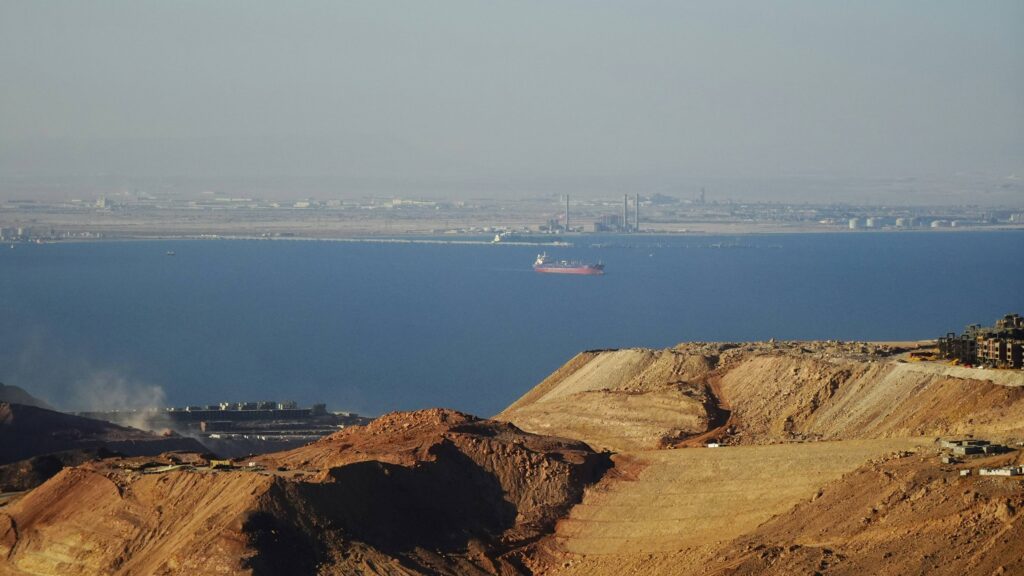
The importance of the Strait of Hormuz to international shipping cannot be overstated. It is the only maritime exit for the Persian Gulf, making it a “single point of failure” for many of the world’s largest energy exporters.
Because such a high volume of oil and gas passes through this narrow gap, even the threat of a disruption can cause immediate volatility in global energy prices. When shipping through the strait is compromised, the “fear premium” often pushes Brent crude and natural gas prices to historic highs. For example, in March 2026, oil prices surged toward $126 per barrel as the market reacted to the loss of Gulf supply.
The Strait of Hormuz is often viewed in tandem with the Red Sea and the Suez Canal. Under normal conditions, these routes form a continuous maritime highway between Asia and Europe. However, recent years have shown that when both the Red Sea (via the Bab el-Mandeb) and the Strait of Hormuz are threatened simultaneously, the global shipping industry loses its most efficient shortcuts. This forces ships to take the long route around the Cape of Good Hope, adding thousands of miles and 10–14 days to transit times.
The interdependence of these routes means that a blockage in the Strait of Hormuz creates a “dead end” for vessels coming from Europe through the Suez Canal intending to pick up cargo in the Gulf. This disrupts the complex “loop” systems used by container lines and bulk carriers, leading to a massive misallocation of shipping capacity globally.
The importance of the strait is so profound that major economies—including the U.S., China, Japan, and India—maintain massive Strategic Petroleum Reserves specifically to cushion the blow of a Hormuz closure. The decision to release these reserves is often the first line of defense when Strait of Hormuz shipping is interrupted. However, as seen in 2026, even these reserves have limits when a closure extends beyond a few weeks.
Statistics regarding the strait reveal the sheer scale of global dependence on this waterway. Over the last decade, the volume of traffic has increased significantly as Asian economies have grown.
In 2024 and 2025, approximately 20 to 21 million barrels of oil and petroleum products moved through the strait daily. This accounts for roughly 20-25% of the world’s seaborne oil trade. Furthermore, roughly 20% of global liquefied natural gas (LNG) exports pass through the strait, primarily from Qatar.
Key Statistics:
For Asian economies, the Strait of Hormuz is a lifeline. India, for instance, relies on the Gulf for nearly 90% of its LPG imports. For China and Japan, any prolonged blockage represents a direct threat to industrial production and national energy reserves. The dependency is mutual; the revenues generated by these shipments fund the national budgets of the GCC (Gulf Cooperation Council) states and Iran.
While energy dominates the headlines, the strait is also a critical artery for other goods. It carries about 33% of the world’s seaborne fertilizer trade (urea and ammonia) and 50% of the world’s seaborne sulfur trade. Additionally, the massive consumer markets of Dubai, Abu Dhabi, and Doha rely on the strait for nearly all their imported food, machinery, and consumer electronics.
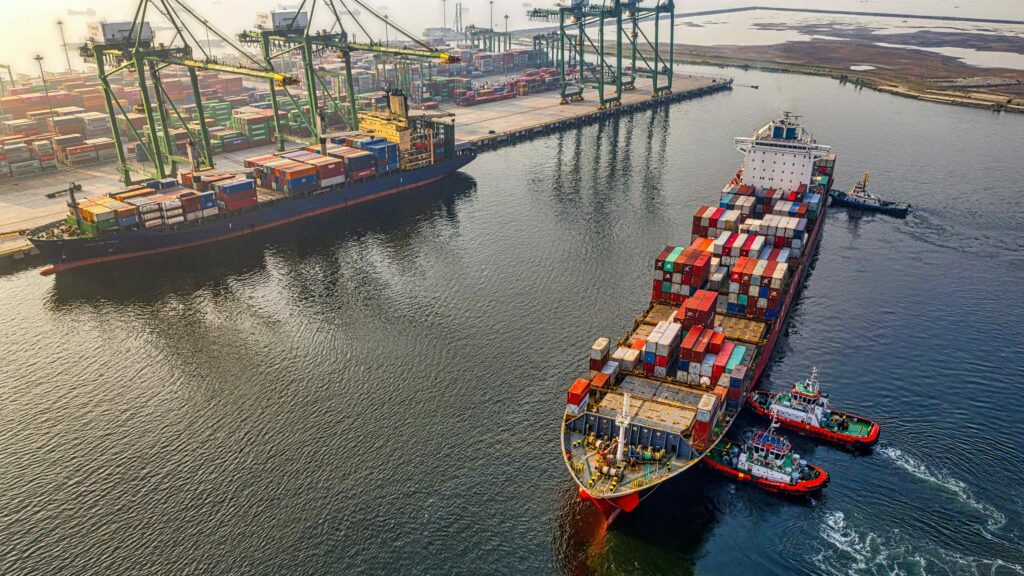
Navigating the Strait of Hormuz is a complex logistical feat that requires precision and adherence to international maritime protocols.
The strait is roughly 21 miles (33–38 km) wide at its narrowest point. While this may seem spacious, the navigable channel is much smaller due to shallow waters and islands. The waterway is bordered by the territorial seas of Iran to the north and Oman to the south.
To manage the high volume of traffic—which includes some of the world’s largest Very Large Crude Carriers (VLCCs)—a Traffic Separation Scheme is in place. This scheme consists of:
Because supertankers can take several kilometers to change course or stop, they have limited maneuverability in these confined waters. This makes them particularly vulnerable to even minor security incidents or technical failures. Furthermore, environmental factors like morning fog, dust haze, and intense summer heat can reduce visibility, further complicating navigation.
Vessels transiting the strait often operate under “High Security” protocols, which include increased bridge lookouts, the use of private maritime security teams (PMSTs), and “darkening” the ship (turning off AIS transponders) in certain high-risk zones, although the latter is often controversial and discouraged by maritime authorities for safety reasons.
The events of February and March 2026 have redefined modern logistical risk. Following a series of regional escalations, the Strait of Hormuz was effectively closed to commercial traffic.
The closure created a “prelogistical crisis” that rippled through every sector of the economy.
Major carriers like Maersk, MSC, and Hapag-Lloyd suspended all transits. This forced a massive rerouting via the Cape of Good Hope. While this provided a safety buffer, it introduced significant logistical challenges:
Secure Your Supply Chain with MyDello
In times of crisis, information and agility are your best assets. MyDello’s digital platform offers real-time tracking and instant quotes for alternative routes, helping you bypass global chokepoints and keep your business moving. Whether you need to pivot to air freight or find new ocean routes, MyDello is your partner in resilient logistics.
Create Your No-Cost Account Today and experience the New Era of Logistics
The Strait of Hormuz remains the ultimate “economic clock of war”. While alternative routes like Saudi Arabia’s East-West pipeline to Yanbu or the UAE’s Habshan-Fujairah pipeline offer some relief, they cannot replace the full volume of the strait. Saudi Arabia’s pipeline can move about 7 million barrels per day, but with 20 million barrels typically passing through the strait, a massive deficit remains.
The 2026 closure has taught the logistics world several key lessons:
As we look toward the future, the Strait of Hormuz shipping lanes will continue to be a focal point of both opportunity and risk. For logistics professionals, the goal is no longer just efficiency, but the resilience to survive a world where the most critical waterways can close overnight.
The 2026 Iran – Israel conflict has become a key geopolitical factor influencing global supply chains. While tensions between Iran and Israel are not new, recent developments have increased concerns about maritime security in critical trade corridors linking Asia, Europe, and the Middle East.
For logistics managers, importers, and exporters, the situation raises practical questions:
Could key routes such as the Strait of Hormuz face disruption?
How reliable is the Red Sea passage today?
What do the latest Suez Canal news today updates mean for transit times and freight costs?
This article provides a neutral, business-focused overview of the current environment and outlines clear, actionable strategies to help companies reduce risk and avoid shipping delays.
Looking for a logistics partner that helps you navigate global uncertainty?
MyDello provides real-time freight visibility, multimodal transport options, and expert support for complex routes. Get a quote today and keep your cargo moving, regardless of geopolitical developments.
Create Your No-Cost Account Today and experience the New Era of Logistics
The Iran Israel conflict is often described as a long-running “shadow confrontation” that has periodically intensified. Historically, tensions have included cyber operations, regional proxy dynamics, and strategic signaling. More recently, developments have become more visible, leading to broader media use of terms such as Iran war, Israel Iran war, or Iran Israel war.
From a neutral perspective, both countries frame their actions around national security concerns. The broader international community, however, focuses primarily on regional stability and the protection of global trade flows.
In recent years, exchanges have occasionally moved beyond indirect channels. This has increased attention on maritime security, particularly in areas such as:
Commercial vessels have at times faced heightened scrutiny or security incidents, prompting shipping lines to reassess risk exposure.
Global maritime stakeholders, including insurers, naval coalitions, and organizations such as the International Maritime Organization, continue to issue advisories and guidance for safe navigation.
While there is no confirmed scenario in which the Strait of Hormuz closed, the recurring question — “Is the Strait of Hormuz closed?” — reflects the market’s sensitivity to developments in the region. For businesses, the key issue is not political positioning, but operational impact: route viability, cost volatility, and transit reliability.
The Iran Israel conflict affects global shipping through two main channels:
Even without a full-scale regional escalation, the perception of risk alone can disrupt supply chains.
When tensions rise, carriers may avoid higher-risk zones and divert vessels. One common alternative is routing around the Cape of Good Hope rather than transiting through the Suez Canal and Red Sea corridor.
This diversion can add 10–14 days to Asia–Europe routes. The consequences include:
For businesses operating on lean inventory models, these delays can quickly escalate into stock shortages.
The Strait of Hormuz remains one of the most strategically important maritime chokepoints in the world. Roughly one-fifth of global oil consumption passes through this narrow waterway.
The phrase “Iran closes Strait of Hormuz” frequently appears in market speculation. While such a closure has not occurred, even discussions around the Iran Strait of Hormuz can trigger:
Energy price fluctuations affect virtually all shipping sectors, from containerized goods to bulk commodities.
Insurance is another significant cost driver. When geopolitical tensions rise, vessels operating in designated risk areas must pay additional “war risk” premiums.
In periods of heightened Israel Iran war rhetoric, premiums can increase substantially. These costs are typically passed along to cargo owners through emergency surcharges.
When vessels reroute or face delays, containers are not returned to origin ports on schedule. This disrupts the global equipment cycle, leading to:
Even routes not directly connected to the Middle East may feel secondary effects.
The Red Sea is a central artery of global trade, connecting to the Mediterranean via the Suez Canal.
Approximately 12% of global trade passes through the Suez Canal. As a result, Suez Canal news and Red Sea shipping updates today are closely monitored by logistics professionals worldwide.
The Red Sea corridor significantly shortens the journey between Asia and Europe. Avoiding it means:
For time-sensitive industries, these additional transit days can be critical.
Sector-Specific Impacts
Energy: Oil and LNG shipments rely heavily on Middle Eastern routes. Market sensitivity increases whenever the question arises: Is the Strait of Hormuz closed?
Retail and Consumer Goods: Seasonal inventory cycles are particularly vulnerable to unexpected two-week delays.
Automotive and Manufacturing: Just-in-time production models are highly sensitive to component shipment disruptions.
Agriculture: Perishable goods face spoilage risks if transit times extend significantly.
Maritime Security Measures
Multinational naval patrols continue to operate in high-risk areas to support maritime security. Nevertheless, shipping companies constantly reassess route safety based on updated intelligence and risk assessments. Businesses relying on predictable transit times must monitor both Suez Canal news today and broader geopolitical updates to anticipate operational shifts.
While companies cannot influence geopolitical developments, they can strengthen supply chain resilience. Below are practical strategies to reduce exposure to disruptions linked to the Iran Israel conflict.
Avoid dependence on a single route or mode. Consider:
Multimodal flexibility can significantly reduce risk concentration.
The traditional “just-in-time” model is increasingly complemented by “just-in-case” planning. Extending forecast lead times and increasing buffer inventory can protect against sudden 10–14 day delays.
Although this approach ties up working capital, it reduces the financial impact of stock-outs and lost sales.
Digital freight platforms that integrate vessel tracking and predictive analytics provide essential visibility during volatile periods.
Monitoring Red Sea shipping updates today through reliable sources enables proactive communication with customers and stakeholders.
Clarify responsibility for:
Understanding contractual risk allocation prevents unexpected cost exposure.
Nearshoring and regional supplier diversification can reduce dependence on chokepoints such as the Iran Strait of Hormuz or the Suez corridor.
While long-term in nature, geographic diversification enhances structural resilience.
Freight forwarders and logistics providers play a critical advisory role during periods of uncertainty. Regular updates and collaborative planning help secure space and manage contingencies more effectively.
Geopolitical developments may be unpredictable, but your logistics strategy doesn’t have to be. Explore our multimodal solutions and real-time freight tools to safeguard your supply chain today.
Create Your No-Cost Account Today and experience the New Era of Logistics
The Iran – Israel conflict illustrates how regional tensions can influence global shipping networks. Although scenarios such as a fully Strait of Hormuz closed situation remain hypothetical, the broader effects—rerouting, insurance surcharges, and longer transit times—are already shaping freight markets.
Global shipping has historically adapted to geopolitical challenges. By taking a neutral, data-driven approach and implementing proactive risk management strategies, businesses can reduce delays and maintain supply chain continuity—even in complex environments.
In 2026, supply chain efficiency isn’t optional — it’s a competitive advantage. Whether you’re running an e-commerce store or managing international procurement for a growing company, controlling shipping costs while maintaining reliable delivery times is critical.
One of the most effective ways to do this? Consolidated shipping. Let’s break it down.
Create Your No-Cost Account Today and experience the New Era of Logistics
Consolidated shipping is a logistics method where multiple smaller shipments from different businesses are combined into one full container or transport unit.
In freight terms, this is often called:
Instead of paying for an entire 40-foot container when you only have a few pallets, your cargo shares container space with other shippers heading to the same destination. So, what does “consolidated” mean in shipping?
It simply refers to combining separate shipments into one larger transport unit to optimize space and reduce cost.
For modern businesses, consolidated freight allows regular inventory movement without waiting to fill a full container — making supply chains more flexible and responsive.
The process typically takes place at a consolidation warehouse or Container Freight Station (CFS).
Here’s how it works:
Cargo Collection
Different shippers deliver their goods to the consolidation warehouse.
Sorting and Compatibility Checks
Goods are grouped by destination, weight, and cargo type. Safety regulations ensure incompatible items (such as hazardous materials and food products) are not packed together.
Container Loading
Logistics teams optimize container space to maximize cubic capacity while protecting cargo integrity.
Documentation
Each shipment receives its own House Bill of Lading (HBL), even though it travels inside a shared master container.
At destination, the container is de-consolidated and shipments are released to individual consignees.
The primary reason companies choose freight consolidation services is cost efficiency. With rising fuel costs, port fees, and trade volatility in 2026, reducing transport spend directly protects margins.
With Full Container Load (FCL), you pay for the entire container — even if it’s half empty.
With consolidated shipping, you pay based on:
This makes international freight accessible for smaller businesses and growing brands.
Because you can ship smaller volumes more frequently:
This supports lean and just-in-time inventory models.
Instead of managing multiple small shipments individually, consolidation often bundles documentation and handling processes, reducing per-shipment administrative costs.
Freight consolidation often uses centralized logistics hubs. Cargo is grouped at strategic points before being sent to final destinations. This hub-and-spoke model is significantly more cost-effective than arranging multiple direct small shipments.
A common question is: How long does consolidated shipping take compared to FCL?
Because shipments must be grouped before departure, consolidated freight typically takes slightly longer than full container shipping.
Typical Timeline (Ocean LCL)
Overall, consolidated freight may take 3–7 days longer than FCL.
Route popularity
High-volume trade lanes fill containers quickly, reducing warehouse wait time.
Digital logistics platforms
Modern platforms like MyDello use real-time data forecasting to reduce dwell time and improve departure predictability.
Customs clearance
Since multiple shipments share one container, delays affecting one cargo could potentially impact the entire load. Proper documentation minimizes this risk.
Before choosing LCL or other consolidated options, weigh the advantages and limitations.
Pros:
Cost-effective
Ideal for shipments between 1–15 CBM.
Scalable
You can increase volume as your business grows without renegotiating large contracts.
More frequent shipping
No need to wait until you fill a container.
More sustainable
Fully utilized containers reduce overall emissions per unit — an important factor for ESG reporting in 2026.
Cons:
More handling
Cargo is loaded, unloaded, and sorted multiple times. Strong packaging is essential.
Slightly longer transit times
Consolidation and de-consolidation add extra days.
Shared risk environment
Cargo shares space with other shipments, which may not suit fragile or high-value goods.
Choose Consolidated Shipping If:
Choose Full Container Load (FCL) If:
In 2026, freight management should be digital, transparent, and simple.
MyDello’s platform allows businesses to:
Instead of waiting days for manual freight quotes, you get immediate pricing and full visibility.
Create Your No-Cost Account Today and experience the New Era of Logistics
For businesses focused on flexibility, cost control, and scalable growth, consolidated freight remains one of the smartest logistics strategies in 2026.
The global supply chain is constantly evolving, and while China remains the undisputed “World’s Factory,” the strategies required to move goods from its bustling manufacturing hubs to international markets have transformed significantly. In 2026, importing goods is no longer just a matter of finding the cheapest ocean carrier. Modern businesses must navigate a complex web of environmental regulations, shifting geopolitical landscapes, dynamic tariff structures, and ongoing infrastructural realignments.
Whether you are a scaling e-commerce brand or a large-scale industrial manufacturer, understanding how to ship from China is critical to maintaining your competitive edge, protecting your profit margins, and ensuring customer satisfaction. Logistics should be a tool that drives your business forward, not an opaque hurdle that causes delays and lost revenue.
This comprehensive guide is designed to be your ultimate blueprint for importing goods in 2026. We will dive deep into the fundamental mechanics of international freight, explore realistic transit times across major global corridors, and break down the fluctuating costs of global logistics. Furthermore, we will analyze the specific trends defining 2026—from the definitive implementation of carbon taxes to the nuances of shipping directly to Amazon FBA warehouses.
Our goal at MyDello is to serve as your digital logistics partner, stripping away the traditional complexities of international freight to make shipping transparent, fast, and straightforward for everyone.
Ready to streamline your supply chain?
Create Your No-Cost Account Today and experience the New Era of Logistics
Mastering the basics is the first step toward building a resilient and profitable supply chain. Logistics is often perceived as a chaotic series of container yards, complex customs codes, and massive cargo ships. However, at its core, successful global shipping is about careful planning and making the right decisions long before your manufacturer ever loads a box.
The ideal transportation method depends entirely on your specific requirements regarding speed, budget, cargo volume, and product type. Understanding your options is the foundation of efficient logistics.
International Commercial Terms, or Incoterms, are standard trade definitions published by the International Chamber of Commerce (ICC). They define precisely where the transfer of risk and costs occurs between the seller and the buyer. While it is 2026, the Incoterms 2020 rules remain the globally recognized standard. Choosing the wrong term can lead to catastrophic unexpected bills or massive insurance disputes.
To ensure your cargo smoothly crosses international borders and avoids costly holding fees, pristine documentation is mandatory. Missing paperwork can result in your goods being detained indefinitely.
Managing this paperwork manually is a relic of the past. Read our MyDello guide on making sure your customs documentation are in order here
Timing is everything in modern retail, manufacturing, and inventory management. When business owners ask, “how long does it take to ship from China?”, it is critical to distinguish between transit time (the time the cargo spends moving on the water, air, or rail) and lead time (the total time from placing the manufacturing order to final door delivery).
Global shipping routes in 2026 are influenced by advanced port automation, new environmental “slow-steaming” regulations (where ships travel slower to reduce carbon emissions), and ongoing geopolitical rerouting. Below are the current, realistic transit times.
Shipping times to the United States vary drastically depending on your chosen coast and the current state of major maritime choke points.
Because of the direct North-South maritime trade lanes, Australian importers enjoy faster turnarounds.
Protecting your profit margins requires a granular understanding of logistics pricing. Freight rates are notoriously volatile, constantly shifting based on global fuel prices, equipment availability, seasonal demand spikes, and geopolitical events. Therefore, asking how much to ship a container from China rarely yields a static answer, but understanding the underlying cost structure is empowering.
When you receive a freight quote, you are looking at a composite of multiple different fees:
Find our guide to finding the right HS code here.
While exact rates fluctuate weekly, here are realistic 2026 benchmarks based on current market stabilizations:
To actively reduce how much to ship a container from China, businesses must adopt strategic logistics practices:
To get an exact, real-time estimate tailored to your cargo, use MyDello’s digital freight calculator to instantly compare sea, air, and rail rates.
The logistical environment in 2026 is defined by the intersection of environmental compliance, supply chain diversification, and strict trade policies. Modern importers must look beyond just rates and routes; they must manage compliance.
Perhaps the most monumental shift in 2026 is the full, definitive enforcement of the European Union’s Carbon Border Adjustment Mechanism (CBAM). As outlined by the European Commission, the transitional reporting phase has ended. Importers of carbon-intensive goods (like steel, aluminum, cement, and fertilizers) from China into the EU must now purchase and surrender CBAM certificates corresponding to the embedded emissions of their products.
Furthermore, the EU Emissions Trading System (ETS) now fully encompasses the maritime shipping sector. Carriers are mandated to pay for their greenhouse gas emissions, and these costs are directly passed on to shippers via “Green Surcharges.” When budgeting for 2026, companies must actively factor in carbon compliance costs and favor modern, LNG-powered or dual-fuel shipping lines to mitigate these surcharges.
Global trade relations remain highly regulated. In the United States, the Office of the United States Trade Representative (USTR) continues to enforce Section 301 tariffs, which place significant duties on thousands of Chinese-manufactured products. Similarly, the EU has maintained strict anti-subsidy duties on Chinese electric vehicles, solar technologies, and advanced semiconductors to protect domestic industries.
Importers must rigorously classify their goods using the correct HS codes. A simple misclassification can lead to severe financial penalties or trigger unexpected double-digit tariff hikes that completely erase product margins. While “China Plus One” (diversifying manufacturing to countries like Vietnam or Mexico) is a popular strategy in 2026, China’s unmatched infrastructure and raw material access mean it remains irreplaceable for most global supply chains.
For an enormous sector of global e-commerce, the ultimate destination is an Amazon fulfillment center. Mastering how to ship from China to Amazon FBA requires specialized knowledge, as Amazon’s inbound compliance rules are notoriously strict.
Don’t Let Complex Logistics Hold You Back!
Create Your No-Cost Account Today and experience the New Era of Logistics
Navigating global supply chains in 2026 is undeniably more demanding than it was a decade ago. Between accurately projecting how much to ship a container from China to Australia, managing the strict requirements of Amazon FBA, and adapting to the prolonged transit times of how long does it take to ship from China to USA amid canal disruptions, business owners have an immense amount of data to process.
However, these systemic challenges also present massive opportunities for those who adapt. The key takeaways for successfully importing in 2026 are:
Logistics should act as a powerful catalyst for your commercial growth, not a barrier to entry. By mastering the fundamentals, staying informed on global trends, and choosing a technology-driven logistics partner like MyDello, you can ensure that your products move efficiently, transparently, and profitably from the factory floors of China directly into your customers’ hands.”
As we move into 2026, the logistics industry is taking a collective breath after a year defined by resilience, volatility, and rapid adaptation. For supply chain professionals, keeping up with logistics news in 2025 felt like navigating a perfect storm. The year brought a unique mix of geopolitical tension, dramatic freight rate fluctuations, and technological leaps that have fundamentally altered how goods move globally.
From the persistent disruptions in the Red Sea to the sudden spikes in transpacific demand, 2025 proved that agility is no longer just a buzzword—it is the baseline for survival. Whether you are shipping containers from Shanghai or managing road freight across Europe, understanding the shifts of the past twelve months is crucial for forecasting the year ahead.
In this definitive logistics news roundup, we will break down the key events, rate fluctuations, and trends that shaped the freight market in 2025, providing the strategic insights you need to build a more resilient supply chain for 2026.

The price was good, the shipping time was fast and the communication was excellent. We will use your service again and also recommend it to others.
Jon Lindal, Islandus Europe ehf


Björn Forsman, Nordisk Textil AB

If one word could describe the freight market news of 2025, it would be “disruption.” The year began with hopes for a return to post-pandemic stability, but global events quickly forced carriers and shippers to pivot.
The overarching theme was the convergence of multiple pressure points. The Red Sea crisis, which began in late 2023, became a semi-permanent feature of the logistics industry news today. The need for vessels to reroute around the Cape of Good Hope permanently added 10-14 days to Asia-Europe voyages, effectively shrinking global container capacity by tying up ships on longer journeys.
This capacity crunch was then exacerbated by a “Tariff Ripple Effect.” Early in the year, shifts in US-China trade policies and the threat of new tariffs created a surge in demand as businesses rushed to import goods before potential duties were imposed. This panic buying, or “front-loading,” strained capacity even further and sent freight rates news today headlines soaring in the second and third quarters. For businesses monitoring shipping logistics news today, the lesson was clear: building buffer stocks and diversifying routes are no longer optional strategies; they are essential for survival.
For those tracking container freight rates news today, 2025 was a year of sharp peaks and gradual corrections, proving that volatility is the new normal.
The second quarter of 2025 saw a dramatic rise in ocean freight costs. Driven by the front-loading of imports to North America and compounded by the capacity drain from the Red Sea diversions, ocean freight rates news today reported unprecedented increases. According to market intelligence from platforms like Xeneta, spot rates from Shanghai to the US West Coast surged by over 100% in a matter of weeks, climbing from around $3,000 per 40ft container (FEU) to over $6,000 by June 2025. Similarly, rates on the Asia-Europe lane saw hikes of over 200% compared to previous lows, as the longer transit times and higher operating costs were passed on to shippers.
By the fourth quarter, the market began to cool. As the traditional peak season subsided and the tariff-driven front-loading finished, spot market demand eased. In December 2025, global container indices showed rates stabilizing, though they remained significantly higher than pre-pandemic levels. This established a new, higher “floor” for shipping costs.
Carriers also adopted more aggressive capacity management strategies. “Blank sailings” (canceled voyages) became a common tool used to prop up rates during periods of softer demand. For businesses analyzing global shipping freight rates news today, this means that even in a weaker market, capacity can be artificially tightened at a moment’s notice, making last-minute bookings increasingly risky.
While ocean freight battled global geopolitics, the truck freight market news in Europe told a story of economic stagnation clashing with rising operational costs.
Throughout 2025, European road freight rates remained relatively flat, reflecting sluggish consumer demand and weak industrial output across the continent. According to the latest available data, spot rates saw periods of decline, particularly in Q1, driven by lower fuel prices. However, contract rates held steadier as businesses locked in prices to ensure capacity amidst ongoing structural challenges.
The most critical headline for the road freight sector remains the severe driver shortage. The International Road Transport Union (IRU) reported in its 2024 analysis—a trend that continued through 2025—that Europe faced a massive deficit of professional truck drivers. This chronic shortage has put sustained upward pressure on driver wages, which rose significantly in 2025. For shippers, this means that even if fuel costs fall, the underlying cost of road transport is structurally increasing, a key piece of logistics news that will shape budgets for years to come.
On a positive note, 2025 saw a marked acceleration in the adoption of sustainable trucking solutions. Spurred by EU regulations and corporate ESG (Environmental, Social, and Governance) goals, there was a significant year-on-year increase in the registration of battery-electric trucks. While still a small fraction of the total fleet, this shift indicates that European logistics is seriously committed to decarbonization, even amidst economic headwinds.
For shippers requiring speed, supply chain logistics news today highlighted air cargo as the standout performer of 2025.
Unlike the fluctuating ocean market, air cargo saw consistent growth in demand. According to data from the International Air Transport Association (IATA), global air cargo demand showed a strong growth streak for much of the year. This surge was largely fueled by two factors:
While the return of more passenger flights post-pandemic increased belly-hold capacity and helped temper extreme price spikes, yields (the price per kilo) remained robust. For MyDello customers, this reinforces the importance of booking air freight well in advance, especially during the Q4 peak season.
Beyond rates and routes, 2025 was a landmark year for the adoption of technology and sustainability in logistics.
The industry moved beyond basic automation to embrace “Agentic AI”—systems capable of autonomous decision-making. In 2025, leading supply chains began using AI agents to autonomously adjust inventory levels, re-route shipments in response to real-time weather or political data, and even negotiate with carriers. This technology is becoming essential for navigating the volatility detailed in this report. For a look at how this impacts planning, read our guide on calculating shipping times.
Sustainability is no longer a “nice-to-have”; it is a core business requirement. In 2025, we saw a surge in the adoption of “ambient invisible intelligence”—low-cost smart tags and sensors that monitor the environmental conditions of perishable goods throughout their journey. Furthermore, the push for ESG compliance drove more companies to adopt intermodal solutions, such as combining rail freight and short-sea shipping to lower their carbon footprint.
Create Your No-Cost Account Today and experience the New Era of Logistics
Looking back, the Logistics News of 2025 paints a clear picture of an industry in transformation. We navigated the highs of tariff-induced demand spikes, the lows of economic stagnation in Europe, and the structural shifts caused by geopolitical conflict. We saw shipping freight rates news today report a rollercoaster of prices and road freight grapple with a massive labor shortage.
As we move into 2026, the key takeaways for shippers are clear:
At MyDello, our mission is to simplify these complexities for you. By staying informed on the latest logistics industry news today and leveraging the right digital tools, you can turn logistics from a challenge into a competitive advantage. Keep checking the MyDello blog for expert insights as we navigate 2026.
The logistics industry is the backbone of global trade, a multi-trillion-dollar engine that moves goods from a factory in one continent to a customer’s doorstep in another. Yet for decades, it has been notoriously slow to modernize. If you have ever tried to ship goods internationally, you know the frustration: long email chains with brokers, opaque pricing that hides surprise fees, and the anxiety of sending valuable cargo into a “black hole” where status updates are scarce.
Fortunately, a revolution is underway. The rise of the digital freight forwarder is transforming how businesses move goods, replacing archaic manual processes with streamlined, powerful software solutions. Whether you are a seasoned logistics veteran tired of managing dozens of spreadsheets or a growing business shipping your first pallet, understanding this shift is key to saving time, money, and your sanity.
This guide will explore what a digital freight forwarder actually is, make a clear case for why it is superior to traditional methods, and show how core features like instant freight quotes and real-time freight tracking are becoming the new, non-negotiable industry standard.
Create Your No-Cost Account Today and experience the New Era of Logistics
To understand the value of a digital freight forwarder, we first need to look at the traditional landscape of logistics. Historically, freight forwarding has been a manual, relationship-based, and paper-heavy industry. Astonishingly, even today, a significant portion of global trade relies on physical documentation. Research from organizations like the Digital Container Shipping Association (DCSA) indicates that the bill of lading process, a critical shipping document, still relies on the physical transfer of paper for a large percentage of containerized trade.
In a traditional setup, booking a single shipment often involves:
This reliance on “legacy” systems is not just inefficient; it’s a competitive disadvantage. It creates data silos where critical information is trapped in different people’s email inboxes or filing cabinets, making it impossible to get a clear, real-time picture of your supply chain.
A digital freight forwarder fundamentally replaces these fragmented, manual workflows with a centralized software platform. By leveraging powerful digital freight forwarder software, these companies connect shippers directly with a vast network of carriers through a single, online interface. This allows for the automation of key tasks—pricing, booking, documentation, and tracking—bringing logistics up to speed with the rest of the modern digital economy.
Mydello is a prime example of this evolution. Instead of acting as a traditional middleman that slows down communication, Mydello serves as your digital logistics partner. Our platform aggregates real-time data from hundreds of carriers across all modes (Air, Sea, Rail, and Road) to provide a seamless experience where managing global freight is as easy as booking a flight online.
Why should a business switch from a traditional partner they have used for years to a digital platform? The answer lies in gaining a competitive advantage through superior efficiency, cost control, and visibility.
Traditional documentation for a single international shipment can require up to 50 sheets of paper exchanged between nearly 30 different stakeholders. Every time data is manually re-typed from one document into another system, there is a significant risk of error—an error that could lead to customs holds and costly fines. A digital forwarding platform eliminates this risk by creating a single, secure digital ecosystem where data is entered once and used across all necessary documents.
In a volatile market where supply chains are disrupted by everything from geopolitical events to port congestion, speed is currency. A digital platform allows you to react instantly.
With a traditional forwarder, your shipping data is scattered. A digital platform centralizes this information, turning it into a powerful business intelligence tool. You can analyze spending, track carrier performance, and identify optimization opportunities—insights that are nearly impossible to glean from a collection of emails and invoices.
Using Mydello as your digital partner amplifies these benefits. Our platform is designed to remove the complexity of logistics. It doesn’t just digitize the booking process; it optimizes it. By using advanced algorithms to compare thousands of routes and carriers in real-time, Mydello ensures you aren’t just getting a digital experience, but the most cost-effective and efficient shipping option available for your specific needs, every single time.
One of the biggest pain points in traditional logistics is the “quote waiting game.” You send a request, and then you wait. Sometimes it takes 24 hours; sometimes, for more complex routes, it takes three days. In the fast-paced world of e-commerce and just-in-time manufacturing, waiting three days just to get a price is unacceptable and can mean losing a sale or delaying a production run.
However, true “instant” quoting is rarer than you might think. Many companies that claim to offer “online quotes” often just have a “contact us” form that puts you right back in the same email queue. Others require a lengthy and invasive signup process before you can see a single price.
Mydello differentiates itself by making the freight quote process truly instant, transparent, and accessible.
The second major pillar of digital logistics is visibility. In the old model, once your cargo left the warehouse, it entered a visibility void. You might get an update when it arrived at a port, or you might not. If a delay occurred, you would often find out only after the shipment was already late.
Real-time freight tracking solves this by utilizing GPS, direct API connections with carriers, vessel/flight tracking data, and IoT (Internet of Things) devices to provide continuous, automated updates on a shipment’s location and status. This isn’t just a “nice-to-have” feature; it is becoming a core business requirement. The global digital freight forwarding market is projected to grow significantly, driven largely by the demand for this kind of transparency.
Finding the best freight forwarder with real-time tracking means looking for a partner who integrates this data directly into your dashboard in a way that is easy to understand. Mydello excels here by centralizing all tracking information into a single, visual interface.
With Mydello, real time freight tracking is standard, ensuring that you never have to guess where your valuable cargo is located.
Create Your No-Cost Account Today and experience the New Era of Logistics
The transition from traditional, paper-based logistics to digital-first solutions is not just a trend; it is the future of the industry. By adopting a digital freight forwarder, businesses can eliminate the gross inefficiencies of legacy systems, reduce costs through transparent pricing, and gain a powerful competitive edge through speed and visibility.
Whether you are looking for an instant freight quote to move a single pallet or need a comprehensive digital freight forwarder software partner to manage a complex global supply chain, the benefits are clear. Tools like real-time freight tracking and automated booking give you the control and confidence you need to navigate the complexities of global trade.
Mydello stands at the forefront of this shift, offering a platform that simplifies logistics for everyone. From instant comparisons across all transport modes to guaranteed door-to-door rates, Mydello is the partner you need to streamline your operations and turn your supply chain into a strategic asset.
TALLINN, ESTONIA – 16/12/2025 – MyDello, the digital freight forwarding platform dedicated to simplifying global trade, today announced it has successfully closed a €3.1 million funding round. The round was led by the Icelandic fund Frumtak Ventures, with significant follow-on participation from early investor Superhero Capital.
This new capital will be used to accelerate MyDello’s mission to transform the deeply fragmented and antiquated global logistics industry. The investment will fuel the development of advanced AI-powered solutions, drive strategic expansion into new European markets, and further enhance MyDello’s digital platform, which has already onboarded over 12,500 businesses.
The global logistics industry, valued at an estimated $6 trillion annually, has long been a bottleneck for businesses worldwide. For decades, it has operated on outdated systems involving faxes, phone calls, and mountains of physical paperwork, creating a frustratingly opaque and inefficient environment. MyDello was founded to solve this problem head-on by providing a single, digital-first platform that makes shipping goods simple, transparent, and efficient for everyone.
Experience the future of logistics today. MyDello’s digital platform gives you instant quotes, end-to-end visibility, and expert support to simplify your entire shipping process.
Create Your No-Cost Account Today and experience the New Era of Logistics
The funding round signifies a powerful vote of confidence in MyDello’s technology and its proven ability to solve long-standing logistics challenges. Frumtak Ventures, known for backing ambitious companies with the potential for global impact such as Treble Technologies and Plaio, led the round.
Andri Heiðar Kristinsson, General Partner at Frumtak Ventures, has been impressed by MyDello’s traction and laser focus on solving the core pain points for businesses that ship goods. The platform puts a focus on making sure the digital platform solves the bottlenecks caused by old and outdated processes; it re-imagines the entire workflow from the ground up.
Superhero Capital, an early backer of MyDello, also increased its stake, reaffirming its belief in the company’s trajectory. The market response to MyDello’s offerings has been extremely strong, with over 12,500 businesses joining the platform.
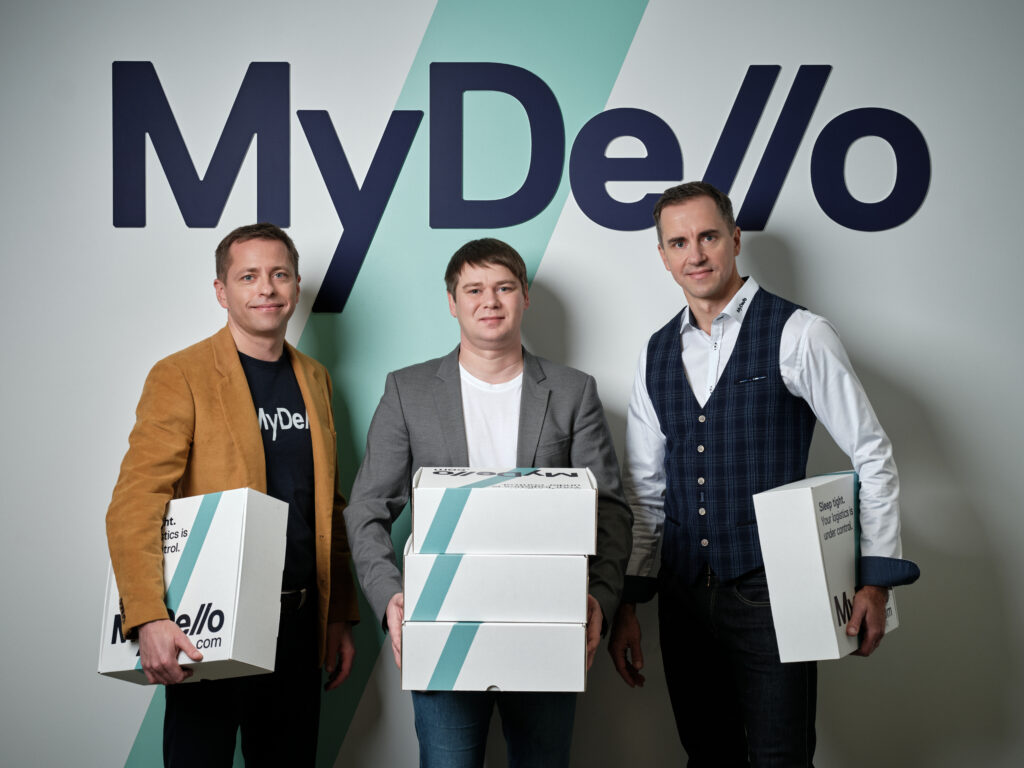
As part of this strategic investment, MyDello is strengthening its leadership by welcoming two experienced figures to its Board of Directors:
Andri and Jevgeni will join seasoned growth expert and Finnish CTO of the year, Jussi Pyörre, on the MyDello board.
The €3.1 million investment will be a powerful catalyst for two key initiatives:
MyDello’s consistent growth and the onboarding of over 12,500 businesses demonstrate a clear market need for its solution. This proven traction was a key factor in securing the new funding and has laid the groundwork for an ambitious Europe-wide, and potential worldwide, vision.
The expansion into the UK and Iceland is just the first step. With this new capital, MyDello has set a clear goal: to be live and operational in every European country by 2027. This will create a seamless, unified logistics network, allowing businesses to manage shipments from Shenzhen to Tallinn or from New York to Reykjavík with the same simple, powerful digital interface.
Be a part of the logistics revolution. Join the 12,500+ businesses that are simplifying their global shipping with MyDello.
Create Your No-Cost Account Today and experience the New Era of Logistics
The €3.1 million funding round marks a pivotal moment for MyDello and a significant step forward for the digitization of the global logistics industry. By providing a transparent, efficient, and user-friendly digital platform, MyDello is empowering businesses of all sizes to take control of their supply chains. With the backing of top investors and the guidance of seasoned industry leaders, MyDello is uniquely positioned to solve the long-standing challenges of a $6 trillion industry and fullfill its mission of making complex global shipping simple for everyone.
Read what Tech.eu has to say about the recent investment round: https://tech.eu/2025/12/16/mydello-receives-eur31m-to-support-international-expansion
MyDello is a digital-first freight forwarding platform on a mission to simplify global logistics. By providing instant, guaranteed quotes, a unified dashboard for all shipping needs, and expert support, MyDello empowers businesses to manage their supply chains with unprecedented ease and transparency.
Frumtak Ventures is an Icelandic venture capital fund that invests in ambitious, technology-driven companies with the potential for global impact.
Superhero Capital is a seed-stage venture capital firm based in Finland that invests in founder-led, insight-driven startups in Finland and the Baltics.