
Tord Lindahl, Lindahl&Co AB
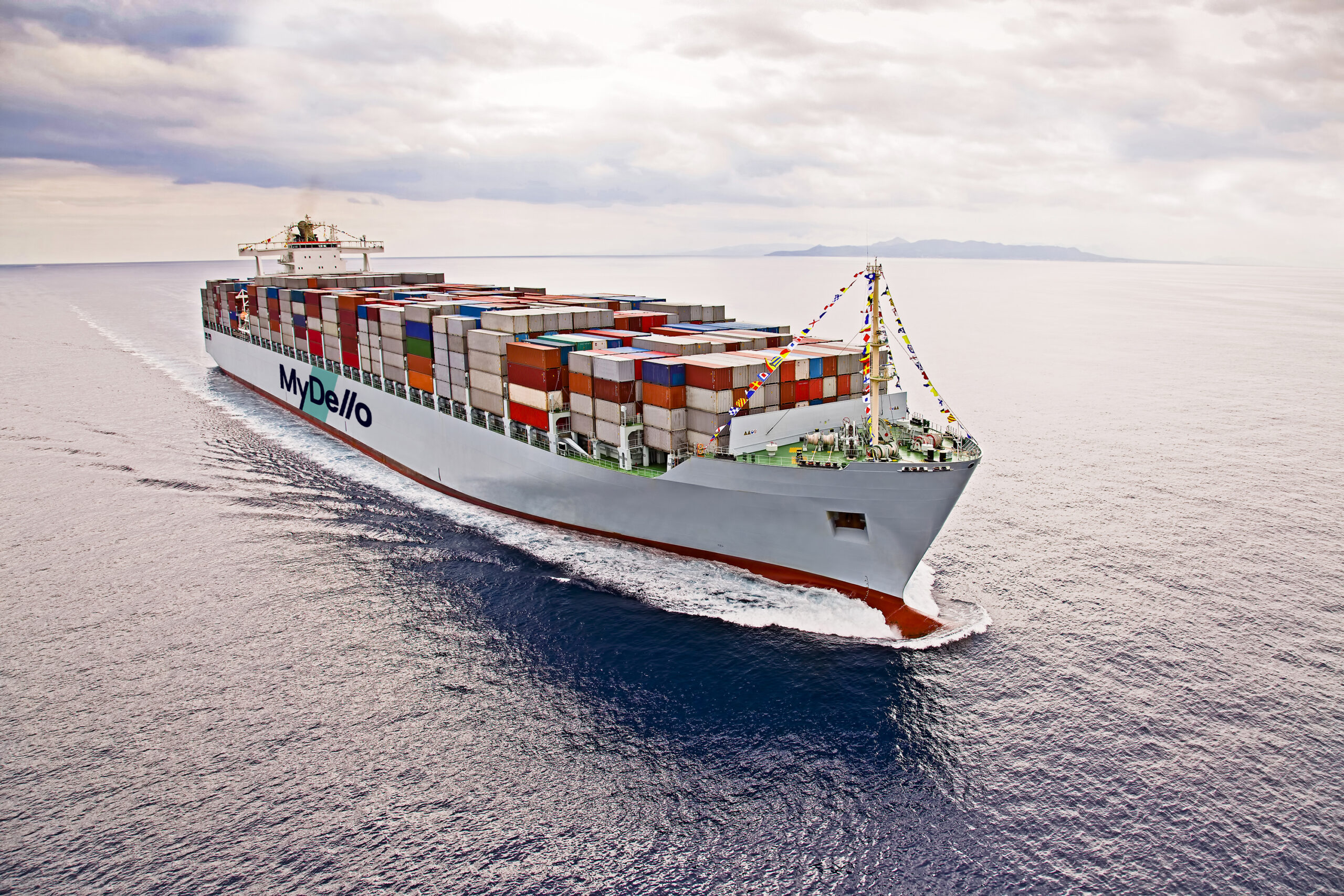
International ocean freight usually involves stacking colorful containers on a cargo ship – an image we have all seen. While shipping containers may just look like regular rectangular boxes to many of us, there’s actually a wide variety of different shipping containers with standardized measurements and sizes.
Article contents
Thanks to an internationally agreed system of shipping or freight containers, the same ‘boxes’ can be used across different modes of transportation. Thus shipping containers are often known as intermodal containers – from ocean freight to rail and road freight. And although these containers may seem similar at first glance, knowing the different types of shipping containers is important for anyone looking to ship goods internationally using ocean freight.
The most obvious questions about ocean containers are usually – what are the dimensions of shipping containers and how much cargo can you ship with it? Containers can also be categorized by type as well as size, however, and it pays to know that the container you are choosing is actually suitable for international shipping. In this article, we try to give answers to all these questions.

Tord Lindahl, Lindahl&Co AB


Björn Forsman, Nordisk Textil AB
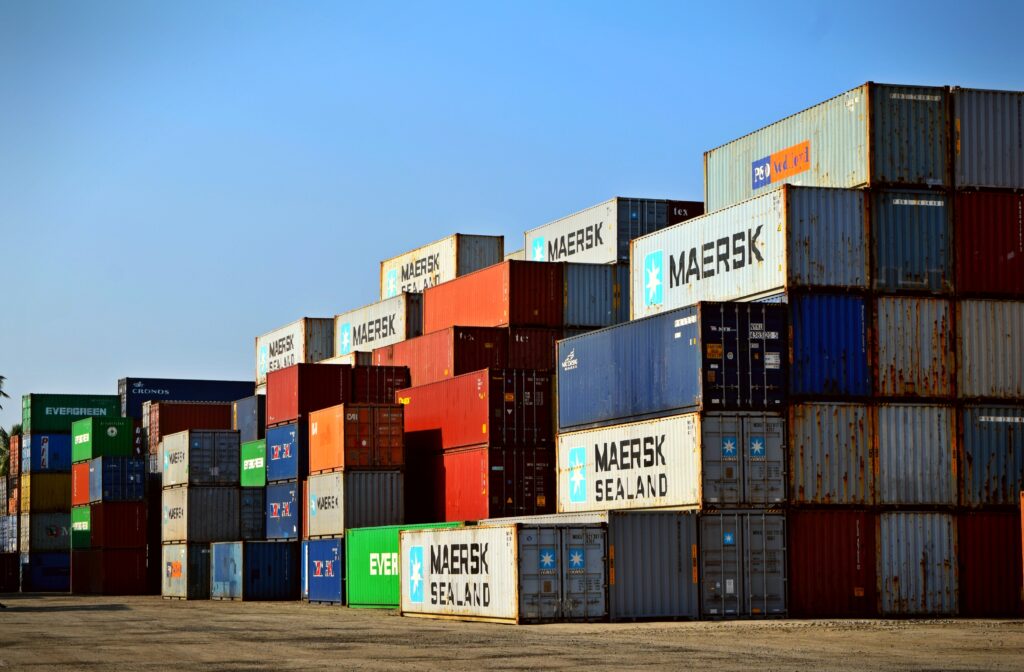
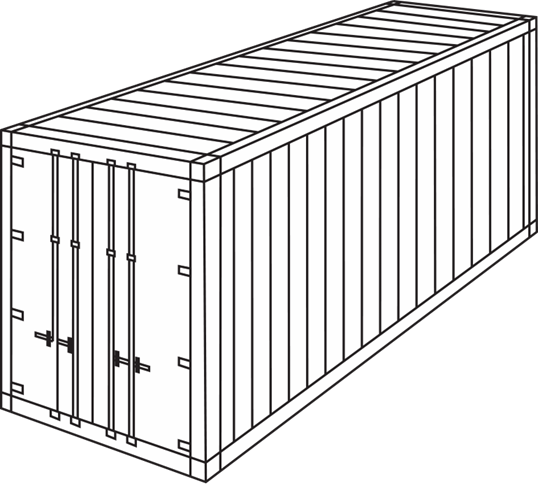
Most people associate shipping containers with colorful rectangular boxes onboard ships or at ports, waiting to be loaded. While the vast majority of shipping containers are known as ‘general purpose’ or ‘dry freight’ containers – the very same closed boxes in the image, used mainly for shipping dry goods – there are in fact many different types of shipping containers, differing by both their use, measurements and even shape.

Although over 90 per cent of the world’s shipping containers are made up of dry cargo containers, even those differ in size. As one might guess, the measurements of your shipping container are extremely important as they determine how much cargo you can load into (or onto) your container and how much that will cost – different-sized containers are usually charged differently.
Some goods may also not be suitable for ocean freight with regularly closed containers. Depending on your cargo type, different container types might be necessary – coal and fish have different shipping requirements, after all. Fortunately, the standardization of ocean shipping containers has made choosing and understanding different container types very simple across the board.
MyDello takes the stress out of global shipping. Understanding your shipment size can be difficult at the best of times, MyDello has built an online calculator to simplify this whole process.
Create Your No-Cost Account Today and experience the New Era of Logistics

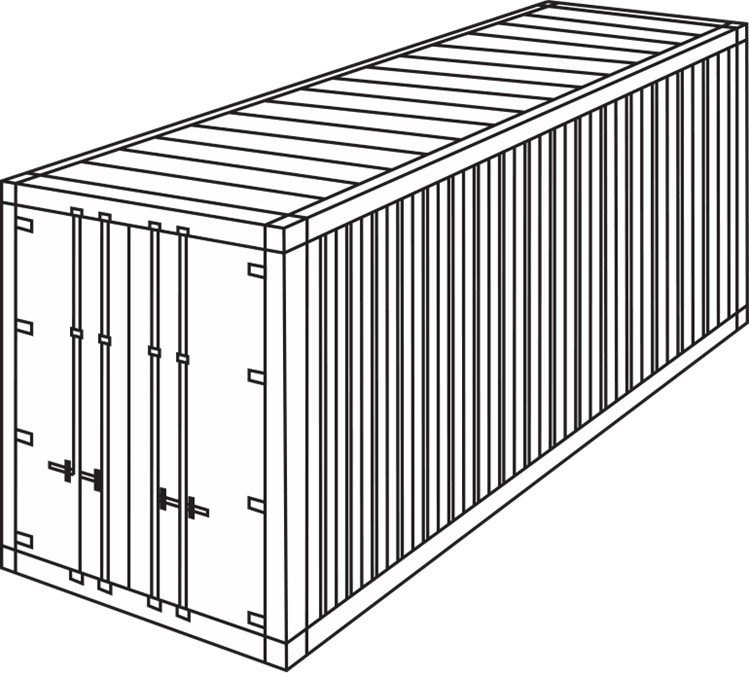
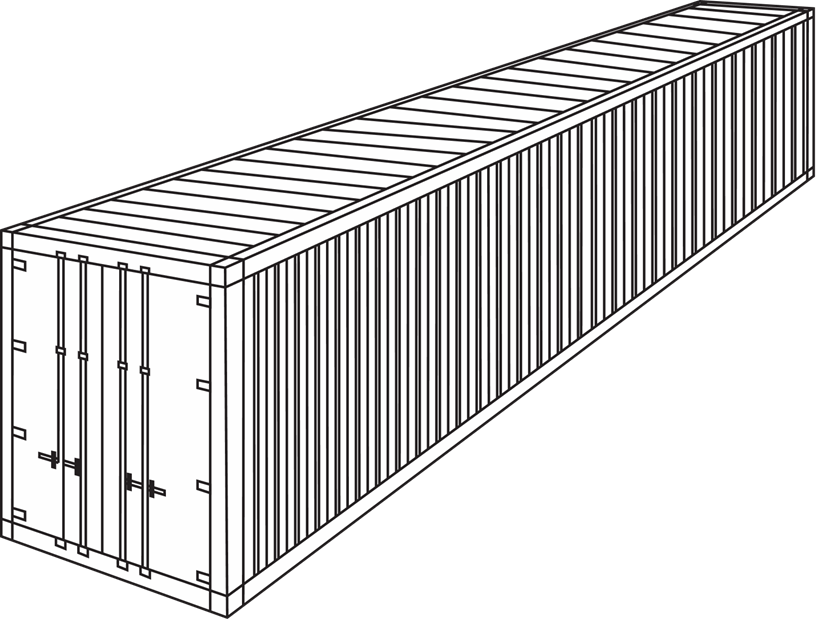
The most common container type is undoubtedly the dry cargo or dry storage containers, which make up approximately 90 percent of all shipping containers. These containers can be divided mainly into 20 or 40 feet sizes and are manufactured from either aluminium or steel. They are suitable for most types of cargo. Aluminium dry containers have a slightly larger payload than steel, and steel dry containers have a slightly larger internal cube.
The most common dry cargo container sizes are:
| Internal length (m) | Internal width (m) | Internal height (m) | Payload (kg) | Cubic capacity (m3) |
| 5,90 | 2,35 | 2,39 | 21 700 | 33,2 |
| Internal length (m) | Internal width (m) | Internal height (m) | Payload (kg) | Cubic capacity (m3) |
| 12,03 | 2,35 | 2,39 | 26 800 | 67,7 |

High cube dry cargo containers are identical to the regular containers in all aspects except height. Being a foot higher, they allow for more cargo space. High cube dry cargo containers come mainly in the following dimensions:
| Internal length (m) | Internal width (m) | Internal height (m) | Payload (kg) | Cubic capacity (m3) |
| 12,03 | 2,35 | 2,70 | 26 500 | 76,3 |
| Internal length (m) | Internal width (m) | Internal height (m) | Payload (kg) | Cubic capacity (m3) |
| 13,56 | 2,35 | 2,70 | 27 500 | 86,0 |

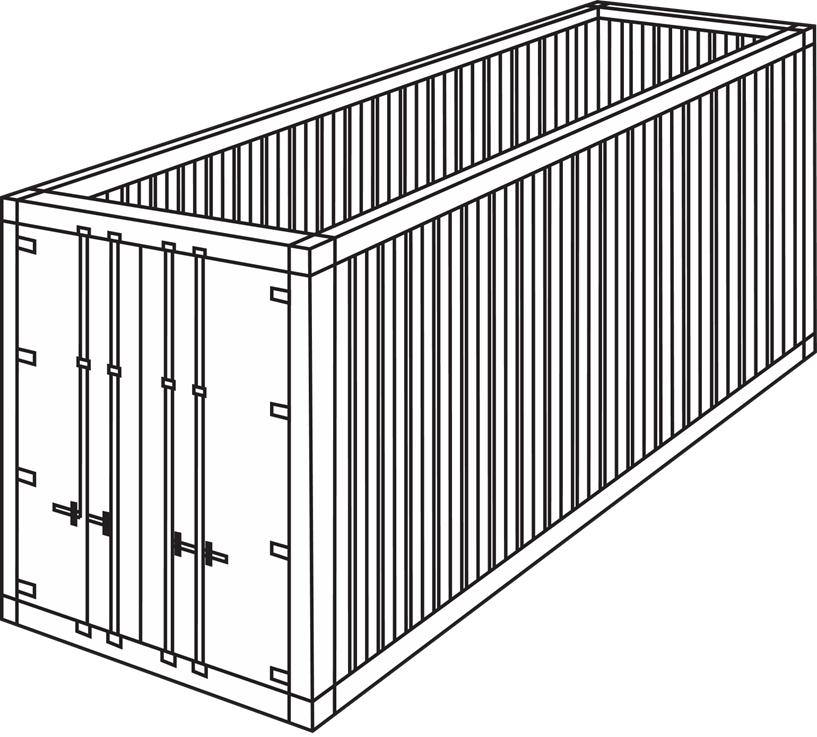
Open-top containers are another standard type of ocean container, which are mostly used to transport overweight cargo. The open top enables for easier loading and unloading of heavy or cumbersome cargo and instead of a steel or aluminium roof, they can be covered with a tarp.
| Internal length (m) | Internal width (m) | Internal height (m) | Payload (kg) | Cubic capacity (m3) |
| 5,89 | 2,35 | 2,35 | 28 220 | 32,5 |
| Internal length (m) | Internal width (m) | Internal height (m) | Payload (kg) | Cubic capacity (m3) |
| 12,03 | 2,35 | 2,34 | 26 500 | 66,2 |

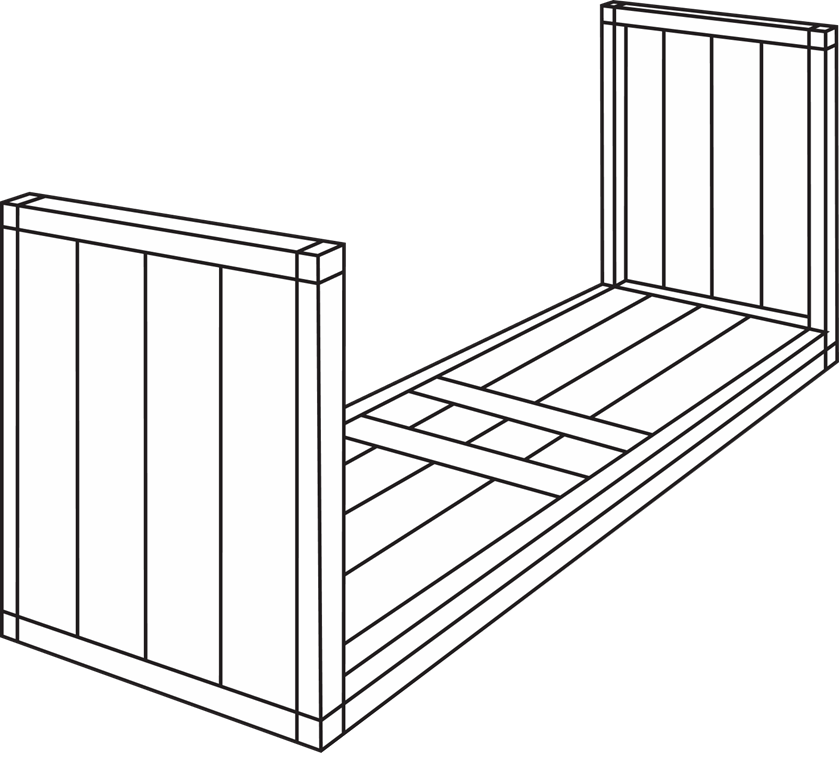
With collapsible sides, flat rack containers are very flexible and suited for transporting a wide variety of goods, including extremely heavy cargo that needs loading from the top or sides. Collapsible and non-collapsible flat rack containers can come with or without walls.
| Internal length (m) | Internal width (m) | Internal height (m) | Payload (kg) | Cubic capacity (m3) |
| 5,94 | 2,40 | 2,35 | 30 140 | 33,5 |
| Internal length (m) | Internal width (m) | Internal height (m) | Payload (kg) | Cubic capacity (m3) |
| 12,13 | 2,40 | 2,14 | 40 000 | 62,2 |

Refrigerated containers or reefer containers are used to transport goods requiring temperature-controlled conditions in transit, such as fruit, vegetables, dairy products and meat. It is fitted with a refrigeration unit which is connected to the carrying ship’s electrical power supply.
| Internal length (m) | Internal width (m) | Internal height (m) | Payload (kg) | Cubic capacity (m3) |
| 5,44 | 2,29 | 2,27 | 27 700 | 28,3 |
| Internal length (m) | Internal width (m) | Internal height (m) | Payload (kg) | Cubic capacity (m3) |
| 11,56 | 2,28 | 2,25 | 29 520 | 59,3 |
These shipping containers have controls for regulating temperatures, usually for maintaining a higher temperature than regular containers. Suitable for long-distance transportation of temperature-sensitive products.
The following table gives the measurements for the most common container sizes and types in the metric system. When choosing shipping containers, always confirm container sizes with your supplier to ensure you both are talking about the same type of containers.
| Internal length (m) | Internal width (m) | Internal height (m) | Payload (kg) | Cubic capacity (m3) | |
| 20 ft Dry Container | 5,90 | 2,35 | 2,39 | 21 700 | 33,2 |
| 40 ft Dry Container | 12,03 | 2,35 | 2,39 | 26 800 | 67,7 |
| 20 ft High Cube | 5,90 | 2,35 | 2,69 | 26 500 | 37,2 |
| 40 ft High Cube | 12,03 | 2,35 | 2,70 | 26 500 | 76,3 |
| 20 ft Open Top | 5,89 | 2,35 | 2,35 | 28 220 | 32,5 |
| 40 ft Open Top | 12,03 | 2,35 | 2,34 | 26 500 | 66,2 |
| 20 ft Reefer Container | 5,44 | 2,29 | 2,27 | 27 700 | 28,3 |
| 40 ft Reefer Container | 11,56 | 2,28 | 2,25 | 29 520 | 59,3 |
| 20 ft Flat Rack | 5,94 | 2,40 | 2,35 | 30 140 | 33,5 |
| 40 ft Flat Rack | 12,13 | 2,40 | 2,14 | 40 000 | 62,2 |
Create Your No-Cost Account Today and experience the New Era of Logistics
The six main container types listed above are the most commonly used and seen in the industry but in reality, there are many different so-called special-purpose shipping containers. These containers usually have a more narrow purpose which means they are suited for a specific type of cargo.
Such containers are:
As you might guess by now, the shipping containers list doesn’t actually end even here. You can read about even more different types of shipping containers and their purposes here.
When looking for different shipping containers, you might come across terms like ‘as-is container’ or ‘wwt container’. These terms refer to the quality of the container.
Different quality containers are usually charged differently. While some cargo such as raw materials can often be shipped in regular dry cargo containers or open-top containers, many goods have specific shipping requirements. The following container quality specifications are used to provide customers information about the quality, age and type of container – e.g. whether the container is air- or waterproof or not.
The use of international standardized steel shipping containers dates back to the 1940s and 50s when both commercial shipping operators and the US military began developing such units. Previously, standardized shipping containers had been in use across Europe in the 1930s, but it was until the mid-1950s that the containers that we are most familiar with went into widespread use.
The goal for shipping operators was always finding the most efficient way for shipping cargo across oceans and other modes of transport. With globalization came the need for standardizing the shipping process across different countries and operators, thus leading to the invention of modern intermodal containers and their regulations, known as ISO standards.
Published between 1968 and 1970, ISO standards establish consistent rules for loading, transporting and unloading goods across the globe. The development and widespread use of internationally standardized shipping containers greatly helped global trade and had a major role in the world becoming more globalized.
Ocean shipping containers come in many different shapes and sizes. For anyone looking to ship goods internationally in shipping containers, taking a moment to familiarize yourself with the different container types, purposes and measurements can save both time and money. It’s important to keep in mind that different containers have different costs.
While standard-size shipping containers such as 20 feet and 40 feet cargo containers usually have fixed prices, special shipping containers often require a direct quotation from the provider. Get in touch with MyDello’s logistics experts to find out how we can help your business.