

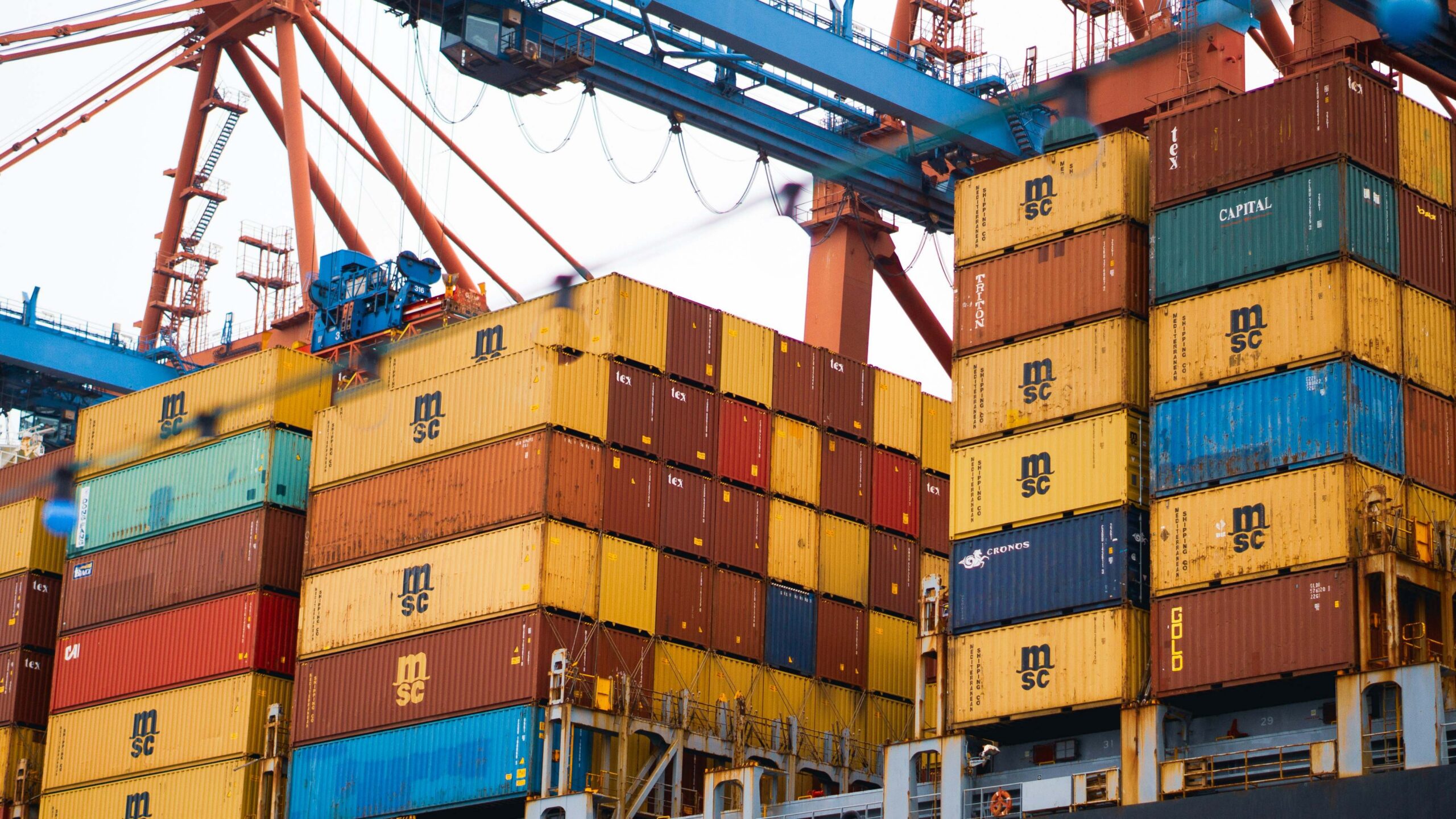
The Suez Canal is one of the most critical arteries in the body of global commerce. For over 150 years, it has served as the shortcut that powers the world economy, linking the manufacturing hubs of the East with the consumer markets of the West in a way that defines modern logistics. However, recent years have proven that this vital waterway is not immune to disruption.
From the infamous grounding of the Ever Given to the complex geopolitical tensions of the 2023-2025 Red Sea crisis, the stability of this route directly correlates with the predictability of global supply chains. When Suez Canal shipping is disrupted, the entire world feels the impact through higher costs and longer delivery times.
This comprehensive guide will provide a deep dive into the canal’s history, its immense importance, and its operational mechanics. We will analyze the Suez Canal traffic news today 2025, break down the costs and delays caused by recent crises, and look ahead at what Suez Canal news today 2026 might hold for shippers worldwide.
Contents
Ready to navigate the complexities of global shipping? At MyDello, we make logistics simple, transparent, and stress-free. Whether you are routing through the Suez or around the Cape of Good Hope, our digital platform finds you the best options instantly.
Create Your No-Cost Account Today and experience the New Era of Logistics
The story of the Canal de Suez is a story of human ambition rewriting geography to serve commerce. While the modern canal officially opened in 1869, the dream of connecting the Mediterranean Sea to the Red Sea is ancient, with early canals constructed by Egyptian pharaohs centuries ago.
The modern canal was the culmination of a decade-long construction project orchestrated by French diplomat Ferdinand de Lesseps. Before its existence, ships traveling between Europe and Asia were forced to navigate the treacherous and incredibly lengthy route around Africa’s Cape of Good Hope. The canal’s opening was a revolution, instantly shrinking the world for maritime trade.
However, its strategic importance has also made it a focal point of conflict and a barometer of global power shifts.
These incidents underscore a recurring theme: when Suez Canal shipping stops, the world takes notice.
You might ask, why is the Suez Canal important to international shipping? The answer lies in the simple, brutal mathematics of time, distance, and money. The canal offers the shortest maritime route between Asia and Europe, eliminating the need to circumnavigate Africa.
Without this waterway, the global economy would face permanently higher shipping costs, slower deliveries, increased inventory carrying costs for businesses, and greater environmental impact from longer voyages. This is why the Suez Canal is so important to international shipping.
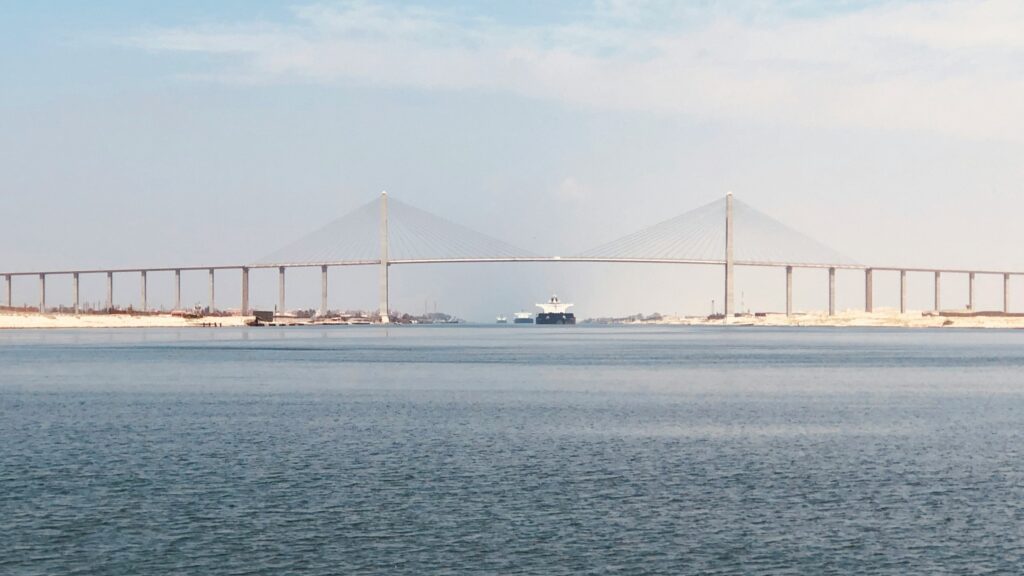
To understand the scale of operations, we must look at how much shipping goes through the Suez Canal.
In 2023, before the peak of the Red Sea crisis, the canal saw record-breaking traffic, with over 26,000 vessels transiting, and generated revenues of over $10 billion for Egypt. This answers the question of how many ships pass through the Suez Canal daily: in normal conditions, it is between 50 and 60 vessels.
However, Suez Canal traffic news paints a very different picture due to the geopolitical instability in the Red Sea.
For logistics managers, the practical question is always: how long does it take to transit the Suez Canal?
Under normal operations, the passage through the 193-kilometer (120-mile) canal takes between 11 and 16 hours. However, the process is highly structured.
The cost of this convenience is substantial. Suez Canal transit fees are a major operational expense, often running into hundreds of thousands of dollars for a single large container ship. The fees are calculated based on a complex formula using the “Suez Canal Net Ton” (SCNT) and the type of vessel. In response to the traffic decline, the SCA has offered significant discounts (up to 75% in some cases) throughout 2024 and 2025 to entice carriers to return, a key topic in Suez Canal transit news today.
No discussion of Suez Canal shipping is complete without mentioning the event that captivated the world. In March 2021, the Suez Canal blockage caused by the container ship Ever Given became a global phenomenon.
The 400-meter-long “megaship” lost steering amidst high winds, wedging itself diagonally across the canal and completely obstructing the waterway. The Suez Canal ship stuck for six agonizing days. The knock-on effects were catastrophic:
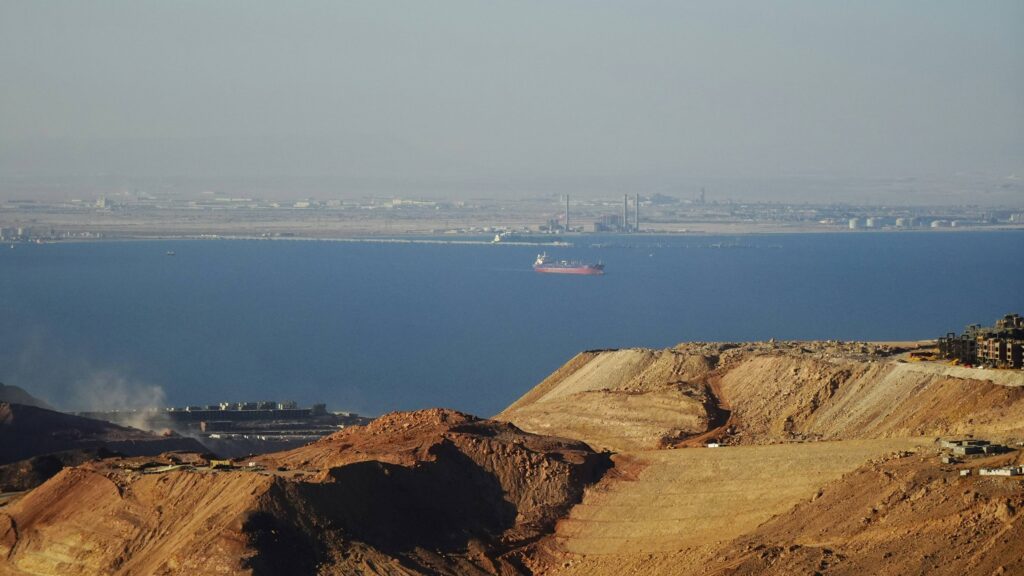
Fast forward to late 2023. The Suez Canal crisis of this period was not an accident but a geopolitical event. Attacks on commercial vessels in the Bab-el-Mandeb Strait by Houthi militants forced the world’s largest shipping lines—including Maersk, MSC, and Hapag-Lloyd—to make a difficult choice: risk the Red Sea or divert around Africa.
The vast majority chose to divert. This decision, dominating Suez Canal shipping news today 2025, has had profound effects:
For shippers planning for 2026, the key lesson from the Suez Canal crisis is that supply chain resilience requires flexibility and real-time visibility.
Don’t let global disruptions slow your business down. MyDello’s digital platform provides real-time visibility and alternative routing options. Whether it’s the latest Suez Canal news or a new challenge, we help you adapt instantly.
Create Your No-Cost Account Today and experience the New Era of Logistics
The Suez Canal is more than just a waterway; it is a critical chokepoint and a powerful barometer for the global economy. From its storied history to its role in modern trade efficiency, Suez Canal shipping remains a vital topic for any business moving goods across borders.
As we move towards 2026, the key takeaways are clear:
Staying informed on Suez Canal shipping news allows you to make smarter, more proactive decisions. With a digital partner like MyDello, you gain the visibility and flexibility needed to navigate these uncertain waters with confidence, ensuring your cargo arrives on time, every time.