

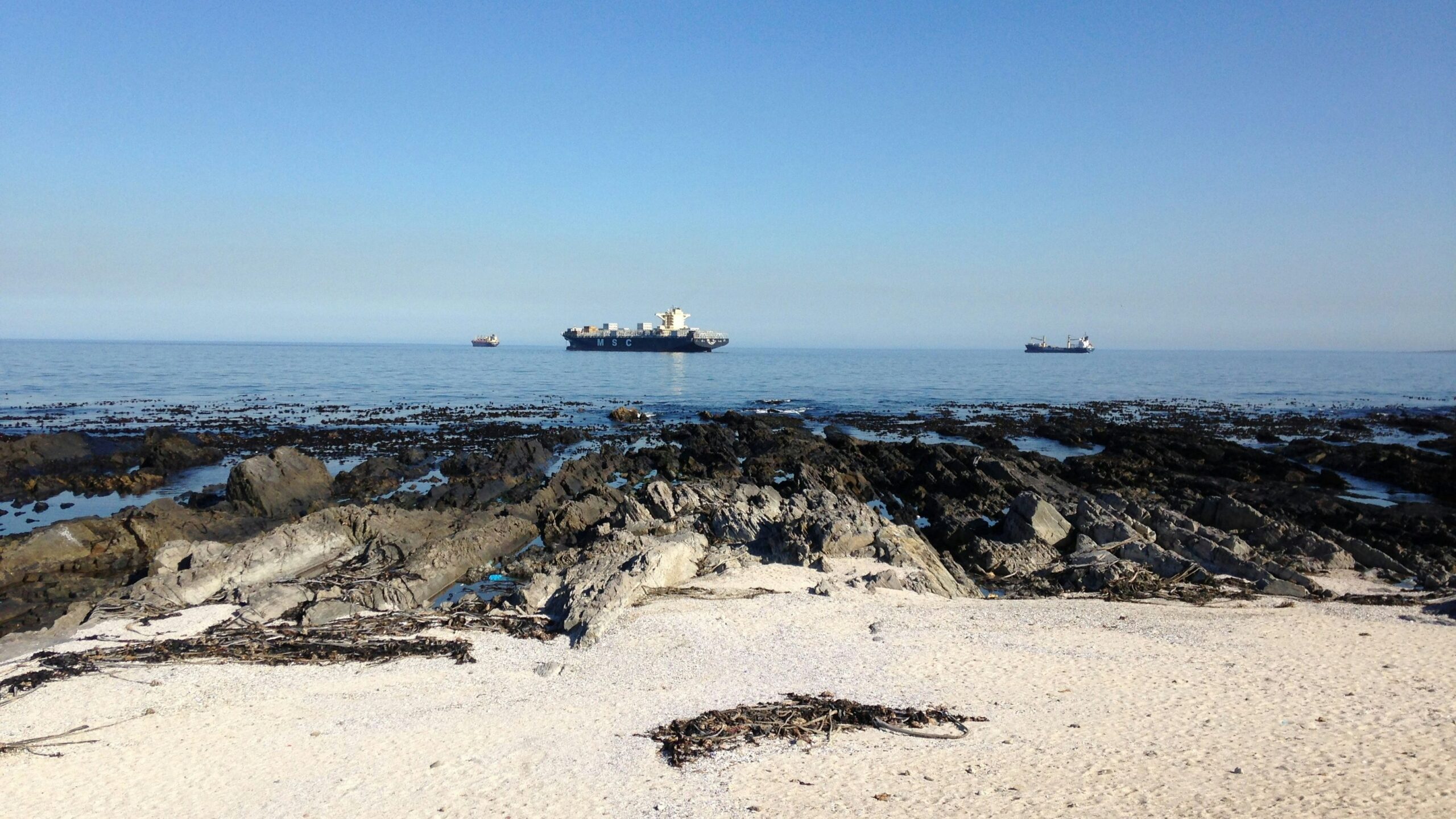
The Strait of Hormuz is often described as the world’s most important maritime chokepoint, a narrow stretch of water that serves as the jugular vein for global energy markets. Connecting the Persian Gulf with the Gulf of Oman and the Arabian Sea, this maritime gateway facilitates the movement of approximately one-fifth of the world’s total petroleum liquids consumption and a significant portion of its liquefied natural gas (LNG).
Contents
In the landscape of modern international trade, the stability of Strait of Hormuz shipping is not merely a regional concern but a fundamental requirement for global economic health. As of early 2026, the waterway has once again become the focal point of international logistics following significant disruptions that have forced a total re-evaluation of supply chain resilience. This article examines the historical context, geographical practicalities, and the profound logistical implications of this critical maritime corridor.
Optimize Your Logistics with MyDello
Navigating global supply chain disruptions requires more than just luck; it requires expert planning and real-time visibility. MyDello provides the tools you need to manage complex international shipments, whether you are rerouting around maritime chokepoints or seeking alternative freight modes. Visit MyDello to streamline your logistics and ensure your cargo reaches its destination, no matter the global climate.
Create Your No-Cost Account Today and experience the New Era of Logistics
The history of the Strait of Hormuz is as old as global trade itself. For centuries, it has served as a bridge between the civilizations of the East and the West, facilitating the exchange of spices, silks, and precious metals. However, its modern strategic significance was cemented in the 20th century with the discovery of vast oil reserves in the Persian Gulf.
Long before the advent of the oil age, the Strait of Hormuz was the center of a thriving commercial empire. In the 15th and 16th centuries, the Kingdom of Ormus was one of the wealthiest ports in the world, serving as the primary link between India and the Mediterranean via the Persian Gulf. In 1507, the Portuguese explorer Afonso de Albuquerque seized the island of Hormuz, recognizing that whoever controlled this narrow gap controlled the flow of wealth between the East and the West. The Portuguese fortification of the strait marked the first time a global power used the waterway as a strategic lever to dominate international trade routes.
The 20th century transformed the strait from a regional spice hub into a global energy lifeline. Following the British withdrawal from “East of Suez” in 1971, the responsibility for securing the strait shifted to regional powers and, increasingly, the United States. The 1970s energy crises highlighted the vulnerability of Western economies to any disruption in the Gulf, turning the “Strait of Hormuz importance” into a primary pillar of international security doctrine.
One of the most pivotal moments in the history of the strait was the “Tanker War,” a subset of the larger Iran-Iraq War. Between 1981 and 1988, both nations launched sustained campaigns against merchant shipping to weaken each other’s economies. Iraq initially targeted Iranian ships in the northern Gulf, using Mirage F-1 fighters and Exocet missiles. Iran eventually retaliated, and by 1984, the conflict had become a two-way affair that threatened the stability of the entire region.
During this period, over 400 civilian seamen were killed, and hundreds of merchant ships were damaged. The crisis eventually drew in international powers. In 1987, the United States launched Operation Earnest Will to reflag and escort Kuwaiti tankers, ensuring they could navigate the strait under the protection of the U.S. Navy. This era demonstrated that while the strait is a narrow chokepoint, total closure is difficult to maintain, though the threat alone is enough to send insurance premiums soaring.
The early 2020s saw a resurgence of incidents in the strait, including the seizing of oil tankers and drone attacks on commercial vessels. In 2019, several tankers were damaged by limpet mines off the coast of Fujairah, leading to the creation of the International Maritime Security Construct (IMSC). These events served as a prelude to the current 2026 crisis, highlighting the persistent vulnerability of Strait of Hormuz shipping to geopolitical shifts. Historically, the strait has been a “barometer” for regional tension, where any escalation on land is immediately reflected in the maritime environment.
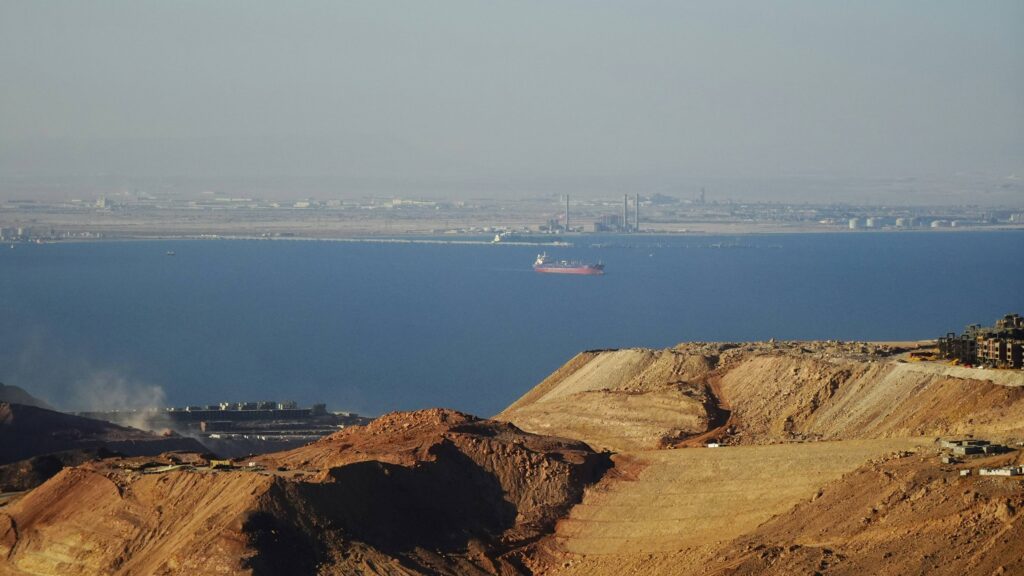
The importance of the Strait of Hormuz to international shipping cannot be overstated. It is the only maritime exit for the Persian Gulf, making it a “single point of failure” for many of the world’s largest energy exporters.
Because such a high volume of oil and gas passes through this narrow gap, even the threat of a disruption can cause immediate volatility in global energy prices. When shipping through the strait is compromised, the “fear premium” often pushes Brent crude and natural gas prices to historic highs. For example, in March 2026, oil prices surged toward $126 per barrel as the market reacted to the loss of Gulf supply.
The Strait of Hormuz is often viewed in tandem with the Red Sea and the Suez Canal. Under normal conditions, these routes form a continuous maritime highway between Asia and Europe. However, recent years have shown that when both the Red Sea (via the Bab el-Mandeb) and the Strait of Hormuz are threatened simultaneously, the global shipping industry loses its most efficient shortcuts. This forces ships to take the long route around the Cape of Good Hope, adding thousands of miles and 10–14 days to transit times.
The interdependence of these routes means that a blockage in the Strait of Hormuz creates a “dead end” for vessels coming from Europe through the Suez Canal intending to pick up cargo in the Gulf. This disrupts the complex “loop” systems used by container lines and bulk carriers, leading to a massive misallocation of shipping capacity globally.
The importance of the strait is so profound that major economies—including the U.S., China, Japan, and India—maintain massive Strategic Petroleum Reserves specifically to cushion the blow of a Hormuz closure. The decision to release these reserves is often the first line of defense when Strait of Hormuz shipping is interrupted. However, as seen in 2026, even these reserves have limits when a closure extends beyond a few weeks.
Statistics regarding the strait reveal the sheer scale of global dependence on this waterway. Over the last decade, the volume of traffic has increased significantly as Asian economies have grown.
In 2024 and 2025, approximately 20 to 21 million barrels of oil and petroleum products moved through the strait daily. This accounts for roughly 20-25% of the world’s seaborne oil trade. Furthermore, roughly 20% of global liquefied natural gas (LNG) exports pass through the strait, primarily from Qatar.
Key Statistics:
For Asian economies, the Strait of Hormuz is a lifeline. India, for instance, relies on the Gulf for nearly 90% of its LPG imports. For China and Japan, any prolonged blockage represents a direct threat to industrial production and national energy reserves. The dependency is mutual; the revenues generated by these shipments fund the national budgets of the GCC (Gulf Cooperation Council) states and Iran.
While energy dominates the headlines, the strait is also a critical artery for other goods. It carries about 33% of the world’s seaborne fertilizer trade (urea and ammonia) and 50% of the world’s seaborne sulfur trade. Additionally, the massive consumer markets of Dubai, Abu Dhabi, and Doha rely on the strait for nearly all their imported food, machinery, and consumer electronics.
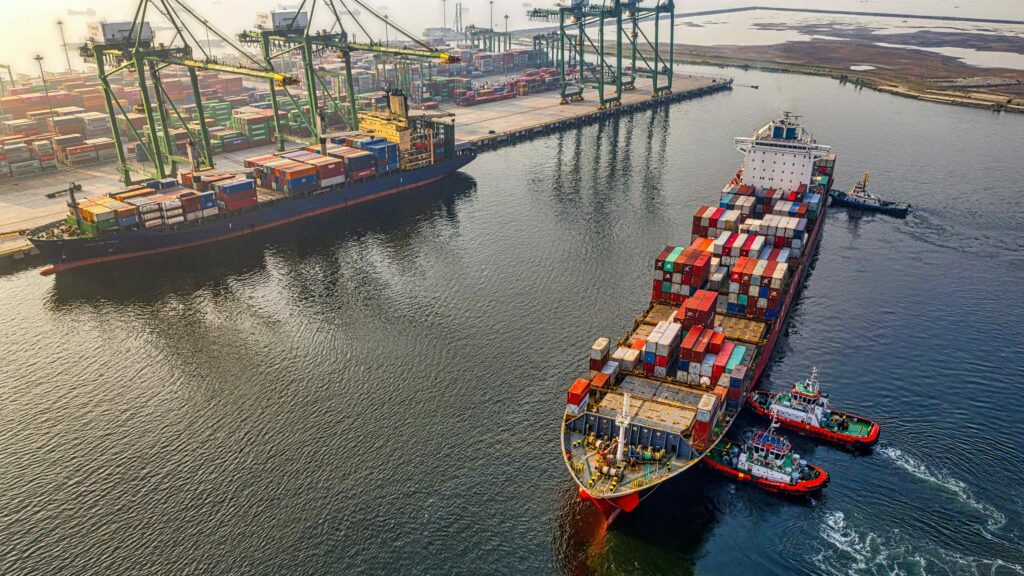
Navigating the Strait of Hormuz is a complex logistical feat that requires precision and adherence to international maritime protocols.
The strait is roughly 21 miles (33–38 km) wide at its narrowest point. While this may seem spacious, the navigable channel is much smaller due to shallow waters and islands. The waterway is bordered by the territorial seas of Iran to the north and Oman to the south.
To manage the high volume of traffic—which includes some of the world’s largest Very Large Crude Carriers (VLCCs)—a Traffic Separation Scheme is in place. This scheme consists of:
Because supertankers can take several kilometers to change course or stop, they have limited maneuverability in these confined waters. This makes them particularly vulnerable to even minor security incidents or technical failures. Furthermore, environmental factors like morning fog, dust haze, and intense summer heat can reduce visibility, further complicating navigation.
Vessels transiting the strait often operate under “High Security” protocols, which include increased bridge lookouts, the use of private maritime security teams (PMSTs), and “darkening” the ship (turning off AIS transponders) in certain high-risk zones, although the latter is often controversial and discouraged by maritime authorities for safety reasons.
The events of February and March 2026 have redefined modern logistical risk. Following a series of regional escalations, the Strait of Hormuz was effectively closed to commercial traffic.
The closure created a “prelogistical crisis” that rippled through every sector of the economy.
Major carriers like Maersk, MSC, and Hapag-Lloyd suspended all transits. This forced a massive rerouting via the Cape of Good Hope. While this provided a safety buffer, it introduced significant logistical challenges:
Secure Your Supply Chain with MyDello
In times of crisis, information and agility are your best assets. MyDello’s digital platform offers real-time tracking and instant quotes for alternative routes, helping you bypass global chokepoints and keep your business moving. Whether you need to pivot to air freight or find new ocean routes, MyDello is your partner in resilient logistics.
Create Your No-Cost Account Today and experience the New Era of Logistics
The Strait of Hormuz remains the ultimate “economic clock of war”. While alternative routes like Saudi Arabia’s East-West pipeline to Yanbu or the UAE’s Habshan-Fujairah pipeline offer some relief, they cannot replace the full volume of the strait. Saudi Arabia’s pipeline can move about 7 million barrels per day, but with 20 million barrels typically passing through the strait, a massive deficit remains.
The 2026 closure has taught the logistics world several key lessons:
As we look toward the future, the Strait of Hormuz shipping lanes will continue to be a focal point of both opportunity and risk. For logistics professionals, the goal is no longer just efficiency, but the resilience to survive a world where the most critical waterways can close overnight.