

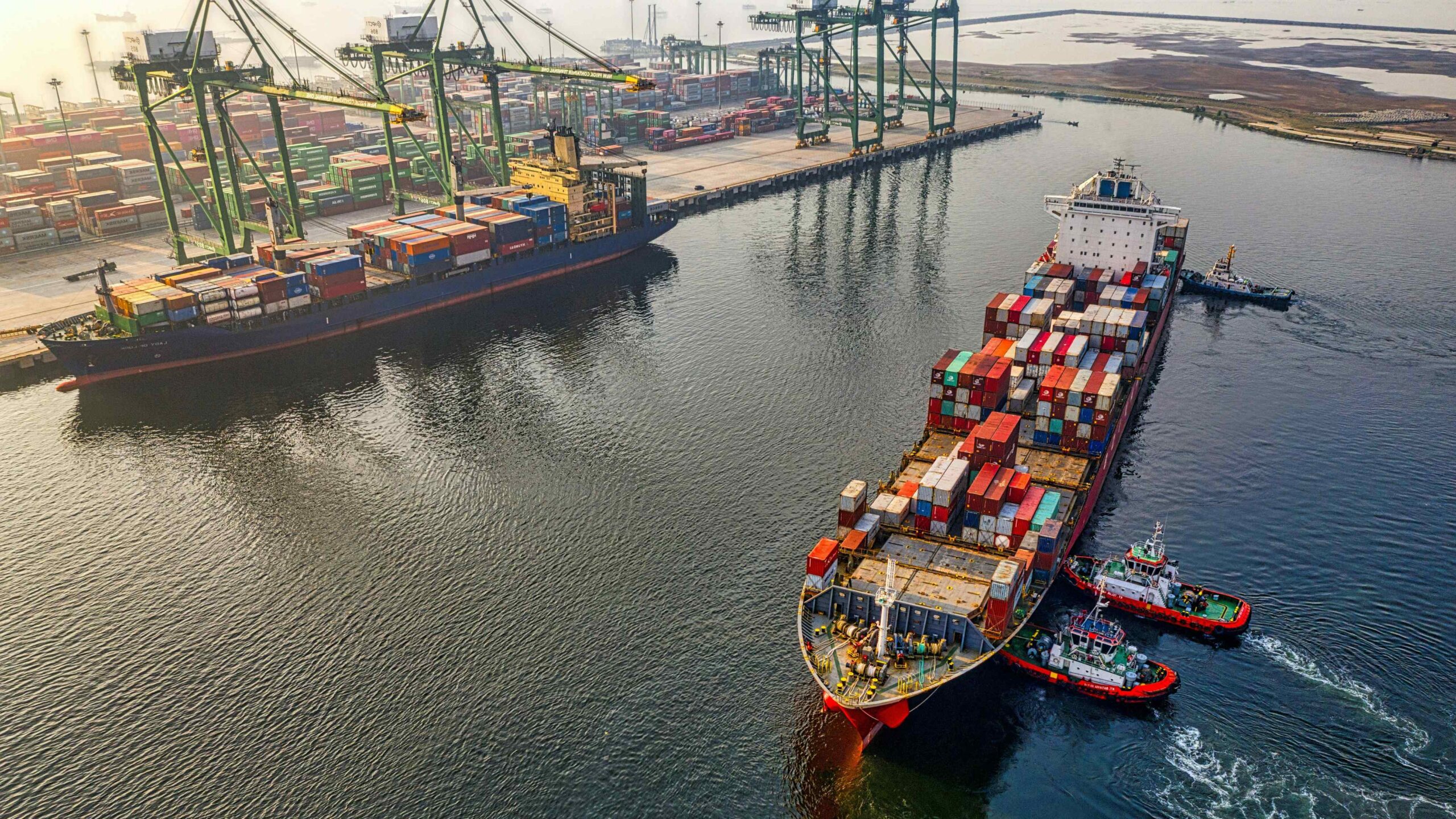
The global supply chain is constantly evolving, and while China remains the undisputed “World’s Factory,” the strategies required to move goods from its bustling manufacturing hubs to international markets have transformed significantly. In 2026, importing goods is no longer just a matter of finding the cheapest ocean carrier. Modern businesses must navigate a complex web of environmental regulations, shifting geopolitical landscapes, dynamic tariff structures, and ongoing infrastructural realignments.
Contents
Whether you are a scaling e-commerce brand or a large-scale industrial manufacturer, understanding how to ship from China is critical to maintaining your competitive edge, protecting your profit margins, and ensuring customer satisfaction. Logistics should be a tool that drives your business forward, not an opaque hurdle that causes delays and lost revenue.
This comprehensive guide is designed to be your ultimate blueprint for importing goods in 2026. We will dive deep into the fundamental mechanics of international freight, explore realistic transit times across major global corridors, and break down the fluctuating costs of global logistics. Furthermore, we will analyze the specific trends defining 2026—from the definitive implementation of carbon taxes to the nuances of shipping directly to Amazon FBA warehouses.
Our goal at MyDello is to serve as your digital logistics partner, stripping away the traditional complexities of international freight to make shipping transparent, fast, and straightforward for everyone.
Ready to streamline your supply chain?
Create Your No-Cost Account Today and experience the New Era of Logistics
Mastering the basics is the first step toward building a resilient and profitable supply chain. Logistics is often perceived as a chaotic series of container yards, complex customs codes, and massive cargo ships. However, at its core, successful global shipping is about careful planning and making the right decisions long before your manufacturer ever loads a box.
The ideal transportation method depends entirely on your specific requirements regarding speed, budget, cargo volume, and product type. Understanding your options is the foundation of efficient logistics.
International Commercial Terms, or Incoterms, are standard trade definitions published by the International Chamber of Commerce (ICC). They define precisely where the transfer of risk and costs occurs between the seller and the buyer. While it is 2026, the Incoterms 2020 rules remain the globally recognized standard. Choosing the wrong term can lead to catastrophic unexpected bills or massive insurance disputes.
To ensure your cargo smoothly crosses international borders and avoids costly holding fees, pristine documentation is mandatory. Missing paperwork can result in your goods being detained indefinitely.
Managing this paperwork manually is a relic of the past. Read our MyDello guide on making sure your customs documentation are in order here
Timing is everything in modern retail, manufacturing, and inventory management. When business owners ask, “how long does it take to ship from China?”, it is critical to distinguish between transit time (the time the cargo spends moving on the water, air, or rail) and lead time (the total time from placing the manufacturing order to final door delivery).
Global shipping routes in 2026 are influenced by advanced port automation, new environmental “slow-steaming” regulations (where ships travel slower to reduce carbon emissions), and ongoing geopolitical rerouting. Below are the current, realistic transit times.
Shipping times to the United States vary drastically depending on your chosen coast and the current state of major maritime choke points.
Because of the direct North-South maritime trade lanes, Australian importers enjoy faster turnarounds.
Protecting your profit margins requires a granular understanding of logistics pricing. Freight rates are notoriously volatile, constantly shifting based on global fuel prices, equipment availability, seasonal demand spikes, and geopolitical events. Therefore, asking how much to ship a container from China rarely yields a static answer, but understanding the underlying cost structure is empowering.
When you receive a freight quote, you are looking at a composite of multiple different fees:
Find our guide to finding the right HS code here.
While exact rates fluctuate weekly, here are realistic 2026 benchmarks based on current market stabilizations:
To actively reduce how much to ship a container from China, businesses must adopt strategic logistics practices:
To get an exact, real-time estimate tailored to your cargo, use MyDello’s digital freight calculator to instantly compare sea, air, and rail rates.
The logistical environment in 2026 is defined by the intersection of environmental compliance, supply chain diversification, and strict trade policies. Modern importers must look beyond just rates and routes; they must manage compliance.
Perhaps the most monumental shift in 2026 is the full, definitive enforcement of the European Union’s Carbon Border Adjustment Mechanism (CBAM). As outlined by the European Commission, the transitional reporting phase has ended. Importers of carbon-intensive goods (like steel, aluminum, cement, and fertilizers) from China into the EU must now purchase and surrender CBAM certificates corresponding to the embedded emissions of their products.
Furthermore, the EU Emissions Trading System (ETS) now fully encompasses the maritime shipping sector. Carriers are mandated to pay for their greenhouse gas emissions, and these costs are directly passed on to shippers via “Green Surcharges.” When budgeting for 2026, companies must actively factor in carbon compliance costs and favor modern, LNG-powered or dual-fuel shipping lines to mitigate these surcharges.
Global trade relations remain highly regulated. In the United States, the Office of the United States Trade Representative (USTR) continues to enforce Section 301 tariffs, which place significant duties on thousands of Chinese-manufactured products. Similarly, the EU has maintained strict anti-subsidy duties on Chinese electric vehicles, solar technologies, and advanced semiconductors to protect domestic industries.
Importers must rigorously classify their goods using the correct HS codes. A simple misclassification can lead to severe financial penalties or trigger unexpected double-digit tariff hikes that completely erase product margins. While “China Plus One” (diversifying manufacturing to countries like Vietnam or Mexico) is a popular strategy in 2026, China’s unmatched infrastructure and raw material access mean it remains irreplaceable for most global supply chains.
For an enormous sector of global e-commerce, the ultimate destination is an Amazon fulfillment center. Mastering how to ship from China to Amazon FBA requires specialized knowledge, as Amazon’s inbound compliance rules are notoriously strict.
Don’t Let Complex Logistics Hold You Back!
Create Your No-Cost Account Today and experience the New Era of Logistics
Navigating global supply chains in 2026 is undeniably more demanding than it was a decade ago. Between accurately projecting how much to ship a container from China to Australia, managing the strict requirements of Amazon FBA, and adapting to the prolonged transit times of how long does it take to ship from China to USA amid canal disruptions, business owners have an immense amount of data to process.
However, these systemic challenges also present massive opportunities for those who adapt. The key takeaways for successfully importing in 2026 are:
Logistics should act as a powerful catalyst for your commercial growth, not a barrier to entry. By mastering the fundamentals, staying informed on global trends, and choosing a technology-driven logistics partner like MyDello, you can ensure that your products move efficiently, transparently, and profitably from the factory floors of China directly into your customers’ hands.”