

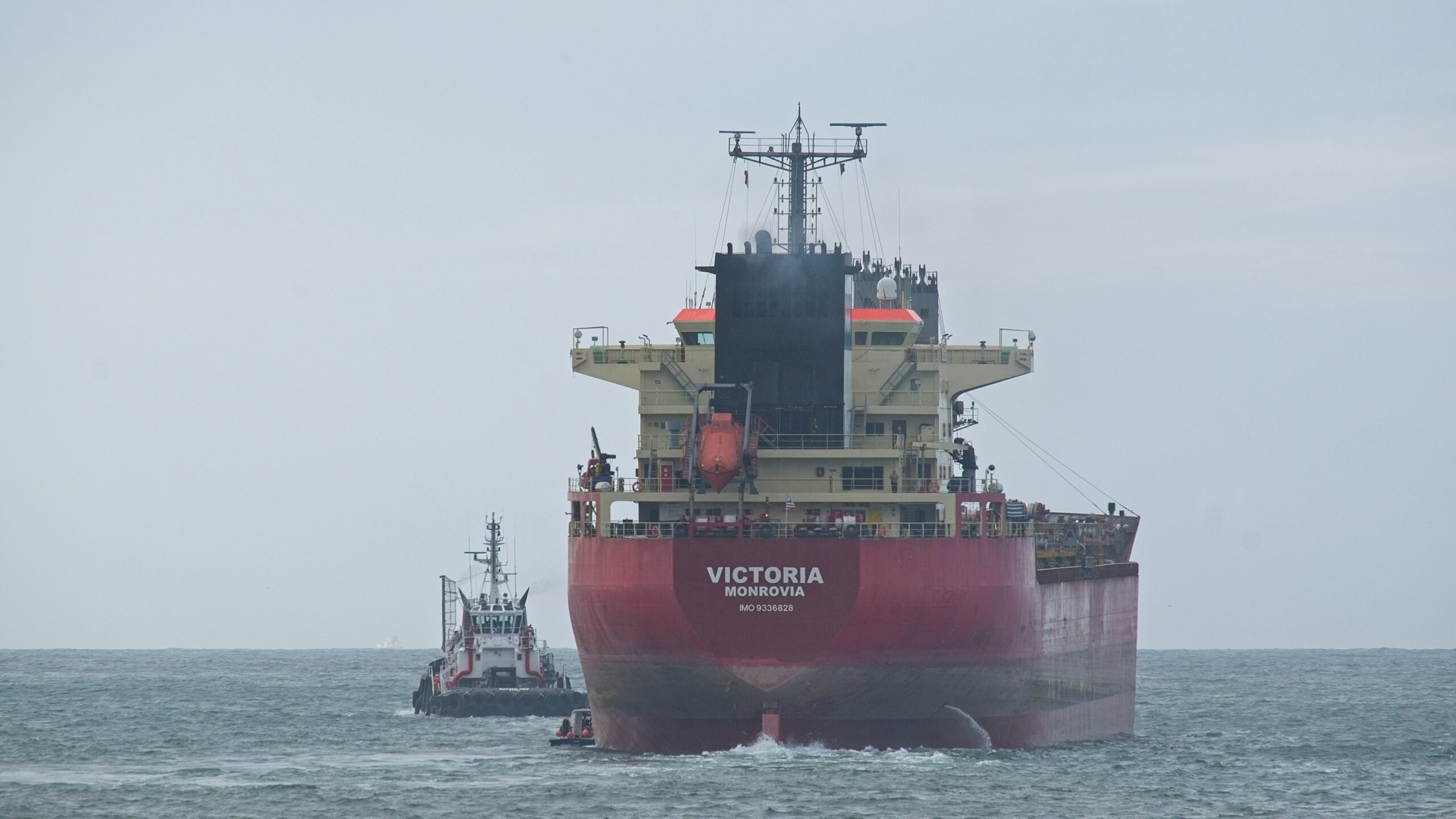
The 2026 Iran – Israel conflict has become a key geopolitical factor influencing global supply chains. While tensions between Iran and Israel are not new, recent developments have increased concerns about maritime security in critical trade corridors linking Asia, Europe, and the Middle East.
For logistics managers, importers, and exporters, the situation raises practical questions:
Could key routes such as the Strait of Hormuz face disruption?
How reliable is the Red Sea passage today?
What do the latest Suez Canal news today updates mean for transit times and freight costs?
This article provides a neutral, business-focused overview of the current environment and outlines clear, actionable strategies to help companies reduce risk and avoid shipping delays.
Looking for a logistics partner that helps you navigate global uncertainty?
MyDello provides real-time freight visibility, multimodal transport options, and expert support for complex routes. Get a quote today and keep your cargo moving, regardless of geopolitical developments.
Create Your No-Cost Account Today and experience the New Era of Logistics
The Iran Israel conflict is often described as a long-running “shadow confrontation” that has periodically intensified. Historically, tensions have included cyber operations, regional proxy dynamics, and strategic signaling. More recently, developments have become more visible, leading to broader media use of terms such as Iran war, Israel Iran war, or Iran Israel war.
From a neutral perspective, both countries frame their actions around national security concerns. The broader international community, however, focuses primarily on regional stability and the protection of global trade flows.
In recent years, exchanges have occasionally moved beyond indirect channels. This has increased attention on maritime security, particularly in areas such as:
Commercial vessels have at times faced heightened scrutiny or security incidents, prompting shipping lines to reassess risk exposure.
Global maritime stakeholders, including insurers, naval coalitions, and organizations such as the International Maritime Organization, continue to issue advisories and guidance for safe navigation.
While there is no confirmed scenario in which the Strait of Hormuz closed, the recurring question — “Is the Strait of Hormuz closed?” — reflects the market’s sensitivity to developments in the region. For businesses, the key issue is not political positioning, but operational impact: route viability, cost volatility, and transit reliability.
The Iran Israel conflict affects global shipping through two main channels:
Even without a full-scale regional escalation, the perception of risk alone can disrupt supply chains.
When tensions rise, carriers may avoid higher-risk zones and divert vessels. One common alternative is routing around the Cape of Good Hope rather than transiting through the Suez Canal and Red Sea corridor.
This diversion can add 10–14 days to Asia–Europe routes. The consequences include:
For businesses operating on lean inventory models, these delays can quickly escalate into stock shortages.
The Strait of Hormuz remains one of the most strategically important maritime chokepoints in the world. Roughly one-fifth of global oil consumption passes through this narrow waterway.
The phrase “Iran closes Strait of Hormuz” frequently appears in market speculation. While such a closure has not occurred, even discussions around the Iran Strait of Hormuz can trigger:
Energy price fluctuations affect virtually all shipping sectors, from containerized goods to bulk commodities.
Insurance is another significant cost driver. When geopolitical tensions rise, vessels operating in designated risk areas must pay additional “war risk” premiums.
In periods of heightened Israel Iran war rhetoric, premiums can increase substantially. These costs are typically passed along to cargo owners through emergency surcharges.
When vessels reroute or face delays, containers are not returned to origin ports on schedule. This disrupts the global equipment cycle, leading to:
Even routes not directly connected to the Middle East may feel secondary effects.
The Red Sea is a central artery of global trade, connecting to the Mediterranean via the Suez Canal.
Approximately 12% of global trade passes through the Suez Canal. As a result, Suez Canal news and Red Sea shipping updates today are closely monitored by logistics professionals worldwide.
The Red Sea corridor significantly shortens the journey between Asia and Europe. Avoiding it means:
For time-sensitive industries, these additional transit days can be critical.
Sector-Specific Impacts
Energy: Oil and LNG shipments rely heavily on Middle Eastern routes. Market sensitivity increases whenever the question arises: Is the Strait of Hormuz closed?
Retail and Consumer Goods: Seasonal inventory cycles are particularly vulnerable to unexpected two-week delays.
Automotive and Manufacturing: Just-in-time production models are highly sensitive to component shipment disruptions.
Agriculture: Perishable goods face spoilage risks if transit times extend significantly.
Maritime Security Measures
Multinational naval patrols continue to operate in high-risk areas to support maritime security. Nevertheless, shipping companies constantly reassess route safety based on updated intelligence and risk assessments. Businesses relying on predictable transit times must monitor both Suez Canal news today and broader geopolitical updates to anticipate operational shifts.
While companies cannot influence geopolitical developments, they can strengthen supply chain resilience. Below are practical strategies to reduce exposure to disruptions linked to the Iran Israel conflict.
Avoid dependence on a single route or mode. Consider:
Multimodal flexibility can significantly reduce risk concentration.
The traditional “just-in-time” model is increasingly complemented by “just-in-case” planning. Extending forecast lead times and increasing buffer inventory can protect against sudden 10–14 day delays.
Although this approach ties up working capital, it reduces the financial impact of stock-outs and lost sales.
Digital freight platforms that integrate vessel tracking and predictive analytics provide essential visibility during volatile periods.
Monitoring Red Sea shipping updates today through reliable sources enables proactive communication with customers and stakeholders.
Clarify responsibility for:
Understanding contractual risk allocation prevents unexpected cost exposure.
Nearshoring and regional supplier diversification can reduce dependence on chokepoints such as the Iran Strait of Hormuz or the Suez corridor.
While long-term in nature, geographic diversification enhances structural resilience.
Freight forwarders and logistics providers play a critical advisory role during periods of uncertainty. Regular updates and collaborative planning help secure space and manage contingencies more effectively.
Geopolitical developments may be unpredictable, but your logistics strategy doesn’t have to be. Explore our multimodal solutions and real-time freight tools to safeguard your supply chain today.
Create Your No-Cost Account Today and experience the New Era of Logistics
The Iran – Israel conflict illustrates how regional tensions can influence global shipping networks. Although scenarios such as a fully Strait of Hormuz closed situation remain hypothetical, the broader effects—rerouting, insurance surcharges, and longer transit times—are already shaping freight markets.
Global shipping has historically adapted to geopolitical challenges. By taking a neutral, data-driven approach and implementing proactive risk management strategies, businesses can reduce delays and maintain supply chain continuity—even in complex environments.